

### Blog Post:
Aging in place remodel projects are a top concern for families who want an older parent to stay home safely, but understanding true costs, common mistakes, and how to phase upgrades matters far more than hollow promises. Below, you’ll find current 2024 price ranges, real user frustrations, and a clear checklist to help you act without wasting money or time.
Key Takeaways
- Basic aging in place remodels start around $2,700, but a full universal design can reach $40,000 – $41,000. Grab bars and door widening often provide the biggest safety gains per dollar.
- Biggest pitfalls: Poor grab bar placement, leaky showers, and underestimating blocking or doorway needs escalate both cost and frustration for families and seniors.
- Smartest approach: Use a phased checklist, prioritize safety, and insist on actual line-item bids and measurements before hiring anyone.
- Executive snapshot — What an aging-in-place remodel really costs in 2024
- Cost breakdown — Line-item pricing you can use to estimate any project
- Major element costs — Walk-in showers, tubs, grab bars, door widening, stair lifts
- Where the money usually goes — Top 5 cost drivers and how to reduce them
- Common complaints and negative reviews from seniors/caregivers — what to avoid
- Underrepresented (missing) checklist items top 3 — what top articles omit
- Prioritization and phasing — a 3-phase checklist with sample budgets
- Measurements, accessibility specs & quick contractor checklist — get it right before you sign
- Funding, permits, ROI & regional variations — how to pay and what to expect locally
- Quick buying guide — contractors, stair lift vendors, and what to ask during install
- Actionable next steps & downloadable checklist (CTA)
- FAQ
Executive snapshot — What an aging-in-place remodel really costs in 2024
An aging in place remodel can be as simple as adding a few safety bars and lever handles, or as extensive as gutting a bathroom for full wheelchair access with a curbless shower, widened doors, and a stair lift. In 2024, average ADA-compliant bathroom costs start at $2,700 for essential upgrades, with most midrange projects averaging $8,400, while a total universal design conversion climbs to $40,000 – $41,000 or more. The key cost drivers are fixture upgrades, wet-area conversion, doorway work, and stair mobility solutions. Deciding your scope (basic, average, or full conversion) is the fastest way to set a realistic budget.
Cost breakdown — Line-item pricing you can use to estimate any project
Instead of guessing or just relying on lump-sum estimates, break the aging in place remodel down like a contractor. Here’s a detailed look at typical 2024 costs per category:
- Demolition & Prep: $1,000 – $3,500
- Plumbing Modifications: $500 – $1,600 (can spike if drain lines need moving)
- Electrical (switches, outlets, GFCI): $20 – $100 each
- ADA Fixtures (toilet, sink, shower/tub): $3,000 – $15,000+ depending on how custom
- Non-slip Flooring/Wall Panels: $4,500 – $8,500 (see LVP install cost here)
- Accessories (grab bars, handheld shower, mirrors): $300 – $2,000
- Labor: Typically 40-50% of total project unless DIY components are possible
Material and finish choices affect the range, but the biggest cost jumps come from structural work (wall openings, re-plumbing, and electrical rerouting). Location matters — labor costs are much higher in coastal urban markets.
Major element costs — Walk-in showers, tubs, grab bars, door widening, and stair lifts
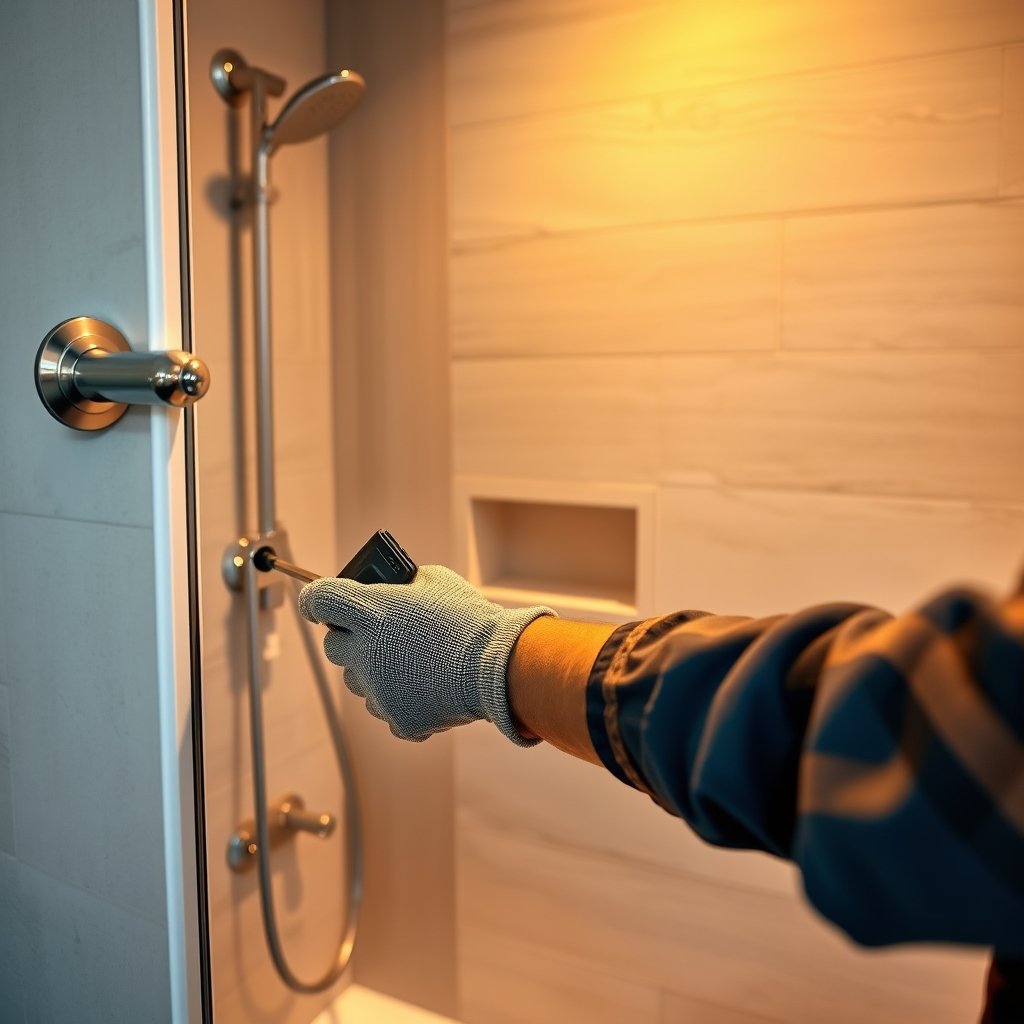
Let’s break down the real-world installed costs by feature for your aging in place remodel:
| Feature | Typical Installed Cost | Main Factors Driving Cost | Install Time |
|---|---|---|---|
| Curbless showers for Seniors | $4,000 – $15,000 | Custom size, tile vs prefab, moving drain, waterproofing method | 3-7 days |
| Walk-in Tub | $2,000 – $20,000+ | Soaking/jet features, electrical requirements, wall rebuild | 1-2 days |
| Grab Bar Installation | $100 – $200 each ($300 – $900 for three, with blocking) | Wall condition, stud/blocking needed | 2-6 hours |
| Doorway Widening for Wheelchairs | $700 – $2,500 per doorway | Load-bearing wall, trim work, electrical relocation | 8-24 hours |
| Stair Lift Installation Cost | Straight: $4,000 – $8,000; Curved: $7,500 – $15,000 | Staircase shape, landing configuration, permits | Half to full day |
Curbless showers provide more flexibility for the future, but walk-in tubs are preferred by those who want a bath (despite some downsides — see below). Explore more on bathroom conversions here.
Where the money usually goes — Top 5 cost drivers and how to reduce them
It’s the fixtures, major wet-area changes, and accessibility adaptations that eat the bulk of aging in place remodel budgets. Top culprits:
- Curbless shower conversion: $4,000 – $15,000. Save by choosing standard sizes and keeping the drain in place.
- Re-plumbing: $500 – $1,600+, with cost doubling if concrete cutting is involved.
- Structural blocking for grab bars: $300 – $900 per package if retrofitting old walls. Plan early to avoid double work.
- Custom curved stair lifts: Twice the cost of straight lifts. Always compare both layouts and retrofit options.
- High-end finishes: Custom tile, luxury tub features, and designer fixtures can easily add $3,000 – $6,000 without adding safety.
Actionable ways to cut costs:
- Reuse plumbing locations whenever possible
- Choose prefabricated components over custom when safety isn’t compromised
- Phase your project: start with core safety/access before expanding to aesthetics
- Ask about “universal design” packages that are pre-bundled for aging in place
For non-slip, waterproof flooring at a lower cost, see our LVP flooring installation guide.
Common complaints and negative reviews from seniors/caregivers — what to avoid
Reading real feedback from caregivers and seniors is vital. The most common issues after an aging in place remodel:
- Grab bar installs without proper wall blocking: Bars loosen over time or fail under weight. If wall blocking isn’t added, you risk real injury.
- Slippery “non-slip” flooring: Marketing claims are weak. Always ask for a sample and test it wet before committing.
- Walk-in tub drawbacks: Many users complain about long fill and drain times (10-15 minutes). Seated transfers can also be difficult and cold waits are common.
- Curbless shower leaks: Poorly sloped floors cause water to escape into the main bath area. Insist on membrane waterproofing and a liquid test by your contractor.
- Doorways still too narrow: Some crews widen a doorway but miss the 32” ADA clearance, making turns in a wheelchair impossible.
- Stair lift noise, slow install, or unreliable tracks: Lower-cost models often run loud and repairs can take weeks if parts aren’t local.
Budget $150 – $600 per grab bar (installed), depending on if drywall needs reinforcement, and expect complaints if blocking isn’t part of the bid.
Find more details about bathroom grab bar installation and pitfalls.
| Feature | Main Complaint | Avoidance Strategy |
|---|---|---|
| Grab Bars | Loose, not anchored | Insist on added wall blocking, get photos before wall is closed |
| Walk-in Tubs | Long fill/drain times, hard to enter/exit | Test in showroom, ask about emergency drains |
| Curbless Showers | Water leaks, too flat | Check for sloped floors, request flood test by installer |
| Doorways | No turning radius for wheelchair | Require 32″ clear, measure swing after reframe |
Underrepresented (missing) checklist items top 3 — what top articles omit
Many aging in place remodel guides focus only on the bathroom. Here’s what’s missing — but just as crucial:
- Structural wall blocking: For safe grab bar install (details here). Never skimp — budget $100 – $350 each when planned early, $150 – $600 if added late.
- Exterior and entryway transitions: Ramps, landing lighting, and threshold covers. These typically run $300 – $5,000 and are ignored in many one-room budgets. Learn more about improving home entries for aging in place.
- Real-world maintenance, lifecycle, and caregiver workflow: Walk-in tub and shower models need regular cleaning, access for servicing, and rapid drain systems. Plan for annual maintenance and emergency access panels.
Use a comprehensive aging in place home modifications checklist for whole-home coverage.
Prioritization and phasing — a 3-phase checklist with sample budgets
Phasing your aging in place remodel maximizes safety and budget efficiency. Here’s a sample 3-phase approach:
Phase 1: Immediate Safety (Low Cost)
- Install grab bars ($100 – $200 each, or $300 – $900 for a standard bathroom)
- Replace round knobs with ADA lever handles ($100 – $250 per handle)
- Upgrade to a comfort-height toilet ($400 – $1,000)
Sample budget: $700 – $2,700
Phase 2: Midterm Accessibility (Moderate Cost)
- Doorway widening for wheelchair access ($700 – $2,500 per door)
- Non-slip LVP flooring (details here)
- Basic walk-in shower for seniors ($4,000 – $6,000 with standard pan)
Sample budget: $4,000 – $15,000
Phase 3: Full Universal Design (High Cost)
- Curbless shower or luxury walk-in tub ($6,000 – $25,000+)
- Wider doorways throughout home, reinforced structure ($5,000+)
- Stair lift installation cost ($4,000 – $15,000; more for curves)
- Exterior ramp and entry upgrades ($1,500 – $10,000)
Sample budget: $18,000 – $41,000+
Track your progress and planning with an aging in place home modifications checklist.
Measurements, accessibility specs & quick contractor checklist — get it right before you sign
Ensuring compliance with accessibility specs is critical to a successful aging in place remodel. Here’s what to check before greenlighting any contractor:
- Wheelchair turning radius: 60″ clear circle in bathrooms and major rooms (source)
- Wider doorways: Minimum 32″ clear width; budget $700 – $2,500 per opening
- Blocking: Install between 34 – 42″ off the ground for grab bars (measure exact height per user whenever possible)
- Shower dimensions: At least 36″ x 36″ for walk-in; 60″ preferable for roll-in or chair access
- Stair lift rail and landing requirements: Length, width, headroom, and local code clearances
Contractor RFP checklist:
- Require detailed scope (materials, labor, waterproofing, blocking, ADA specs)
- Insist on after-install photos of blocking, waterproof tests, and grab bar load test
- Get timelines and warranty documentation before demo starts
For more about ADA requirements, see ADA bathroom remodel essentials.
Funding, permits, ROI & regional variations — how to pay and what to expect locally
Paying for an aging in place remodel often blends personal savings, family resources, and programmatic aid:
- Funding sources: VA grants, local and state accessibility programs, HELOC/renovation loans. Some regions offer weatherization or accessibility rebates—always check local aging in place resources.
- Permits: Required for structural, electrical, and major plumbing work. Expect delays if the project includes door widening or stair lift install; check with your local building office early.
- Regional cost variations: While the national average is $8,400, high-cost areas (e.g., Chicago North Shore) see aging in place bathroom cost from $35,000 up to $90,000 due to labor and permit variables. Full remodel ROI is near 49% in some urban markets.
Visit our heat pump water heater cost guide for parallel examples of regional price swings in home upgrades.
Quick buying guide — contractors, stair lift vendors, and what to ask during install
Vetting, not just picking, your contractor or stair lift installer is key. Here’s what to clarify before a check changes hands:
- Is the stair lift installation cost “all-in” (site work, electrical, delivery, demo, haul-away, training), or just hardware?
- What’s the parts/labor warranty (ask for 1 year minimum; some lifts offer up to 5 years motor warranty)?
- Request a live demo of a walk-in shower for seniors or stair lift before final payment.
- Confirm grab bar installation methods: blocking, load test, and ADA-compliance in writing.
- Demand written waterproofing methodology for curbless showers (sheet membrane, flood test, coverage photos).
Use reputable vendors and compare reviews. Typical hardware ranges for straight lifts are $2,200 – $8,500; finished installs should fall between $4,000 – $8,000 unless your stairs are complex. Explore our guides for additional home adaptation contractor questions.
Actionable next steps & downloadable checklist (CTA)
Tackle your home modifications confidently with these immediate next steps:
- Download our complete aging in place home modifications checklist for an initial room-by-room audit.
- Use a printed budget worksheet—anchor your numbers against three tiers: small retrofit (~$2,700), average remodel (~$8,400), or full universal redesign (~$40,000–$41,000).
- Schedule at least two walk-throughs with pros and get full, written, line-item bids before starting. See our ADU conversion project breakdown for how detailed home project estimates should look.
- Set calendar reminders for maintenance and warranty checks post-renovation.
Ready to plan your aging in place remodel? Download your free checklist and start budgeting each room for true safety and value.
FAQ
How much does an aging in place remodel really cost?
Simple safety retrofits start under $2,700, average ADA conversions run ~$8,400, and a full universal design (roll-in shower, widened doors, stair lift) ranges from $40,000 up to $90,000 in high-cost markets. Always demand line-item estimates.
What is the biggest pitfall in an aging in place bathroom remodel?
Poor planning or skipping wall blocking for grab bars. This mistake leads to unsafe results, unhappy users, and often requires costly opening of finished walls.
Is a walk-in shower for seniors better than a walk-in tub?
For most, yes. Curbless showers are faster to use, easier to clean, and safer for chair transfer. Walk-in tubs offer soaking benefits, but many complain about long wait times and cold exposure during draining.
Who pays for aging in place home modifications?
Most funding is private, but VA grants, Medicaid home-and-community-based waivers, and local accessibility/nonprofit programs can help cover basics like ramps, bathrooms, and entry modifications.
How do I ensure ADA compliance and avoid overpaying?
Insist on line-item contractor bids referencing specific ADA specs: 32” doorways, 60” turning radius, blocking location photos, and warranty/flood tests for showers or lifts. Use our downloadable checklist to verify every major item before paying.