

### Blog Post:
ADU garage conversion is the fastest way many California homeowners are adding value and rental income to their property. But before you book an architect or start cleaning the garage, understanding budgets, permits, and local cost traps can keep your project profitable and legal from day one.
Key Takeaways
- Total ADU garage conversion cost in California (2024): typically $80,000 to $200,000, average $130,000, including design, permits, core construction, and contingency
- Units under 750 sq ft can avoid $5,000 to $15,000 in impact fees thanks to SB 13—know your local city and size limits
- Smart permitting, line-item budgeting, and early site investigation help you avoid most surprise expenses and legal headaches
- Quick snapshot — What to expect for an ADU garage conversion in 2024
- Step-by-step guide: Budgeting & permitting for your ADU garage conversion in California
- Advanced analysis & common pitfalls: Avoiding surprise costs in your ADU garage conversion
- Conclusion
- Frequently Asked Questions
Quick snapshot — What to expect for an ADU garage conversion in 2024
For most homeowners, an ADU garage conversion will cost between $80,000 and $200,000 in California this year. The all-in average is about $130,000. This estimate includes architectural/engineering plans ($5,000 to $15,000), permitting and impact fees ($8,000 to $20,000), core construction (framing, insulation, plumbing, electrical, finishes; $80,000 to $150,000), and a 10-20% contingency ($10,000 to $30,000). If built well in a strong rental area, you can see meaningful returns—often $1,800 to $3,000 per month in rent—making this a powerful way to increase both cashflow and home value.
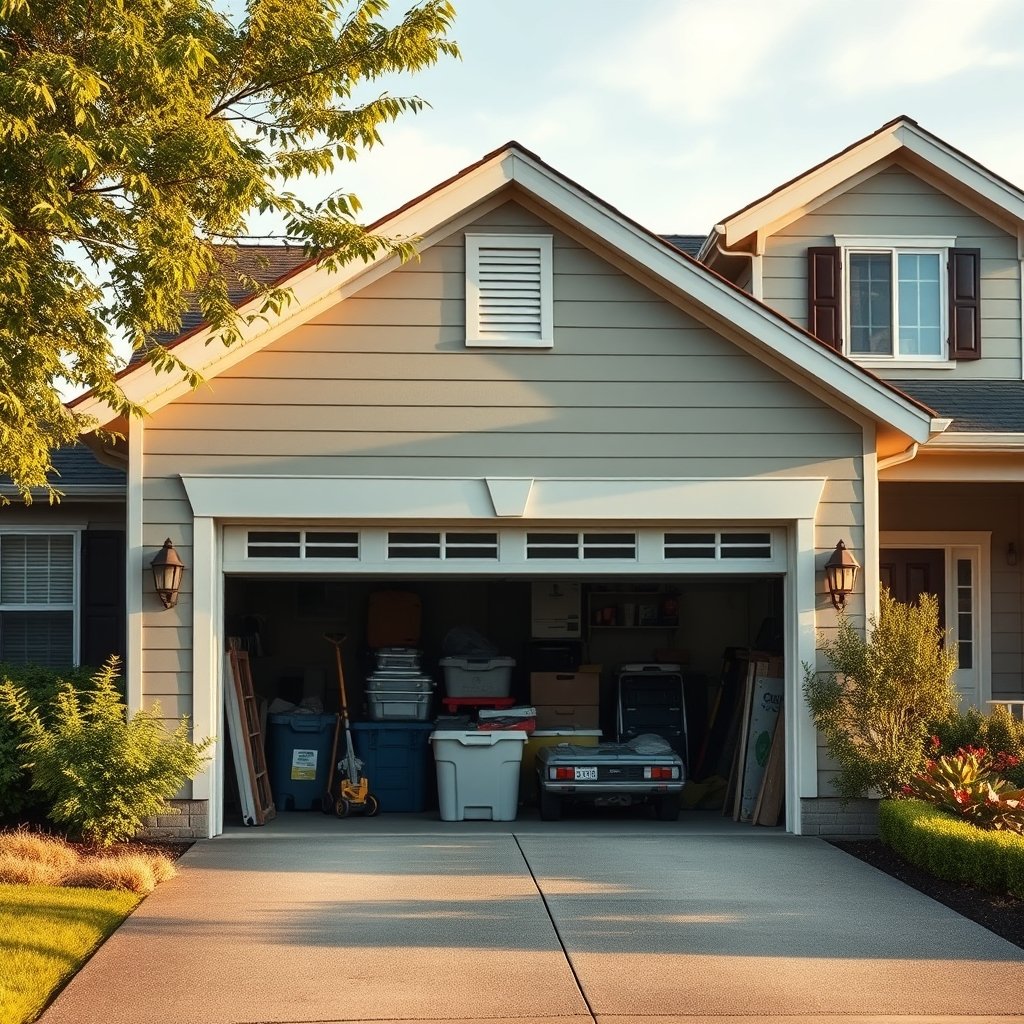
Cost varies widely by city. For example, according to recent San Diego ADU costs, you might pay $150,000 to $200,000. Los Angeles projects range from $95,000 to $225,000, the Bay Area hovers between $80,000 and $200,000, and Santa Cruz is usually $120,000 to $175,000. This means a well-planned, permitted ADU garage conversion is often the most affordable legal rental path for California homeowners—but only if you avoid the expensive pitfalls.
Step-by-step guide: Budgeting & permitting for your ADU garage conversion in California
- Initial assessment and budget setting: Start by measuring your existing garage, photographing its condition, and researching your city’s local ADU ordinance. This will shape your maximum square footage, setbacks, and whether parking or conversion is allowed. Early conversations with a planning desk (in-person or online) can prevent wasted time on ineligible garages. Use a broad placeholder budget: $5,000 to $15,000 for design and engineering, $8,000 to $20,000 for permits—as seen in most cost breakdowns (source).
- Feasibility consult and utilities: Before you call designers, check with utility providers. Will your ADU need a separate sewer lateral or upgraded electric service? Get written opinions or quote requests now—surprise utility upgrades can blow budgets by $10,000 to $30,000. This is also the time for a hazardous materials check (asbestos, lead paint in older garages) and a foundation and moisture inspection.
- Hire your design team: Select an architect or designer with proven ADU garage conversion experience. Make sure structural, civil, energy (Title 24), and MEPS (mechanical, electrical, plumbing) plans are included. Look for bundled “permit sets” to streamline city submission.
- Permitting and required documents: Prepare for multiple submittals: building permit, plan check, Title 24 compliance, and often separate plumbing, electrical, and mechanical reviews. Most cities, like San Jose, will assess fees based on square footage or a percentage of project value. For example, San Jose collects around $17,265 for a 751-1,200 sq ft attached ADU (see full cost breakdown). If you keep your ADU 750 sq ft or smaller, SB 13 exempts you from development impact fees, often saving $5,000 to $15,000.
- Secure and review bids: Solicit at least three contractor bids with line-item detail. Ask about foundation upgrades, slab moisture barriers, fire separation, and all utility connections. Require written contingency allowances (10-20%).
- Construction and inspections: Once permits are issued, expect 5-7 months of build time in most metro areas (faster for simple projects, longer for Bay Area and coastal cities where permitting can be slow). Schedule inspections at key milestones (foundation/slab, rough framing and systems, final).
- Final occupancy and rent-out: Pass final inspection, obtain a Certificate of Occupancy, and list the unit for rent. Use local comps—example: in San Jose, studios and small 1-bed ADUs typically rent for $1,900 to $2,500; Los Angeles averages $2,100 to $2,800; in San Diego, $2,300 to $2,900 is typical for a new ADU (see real case study).
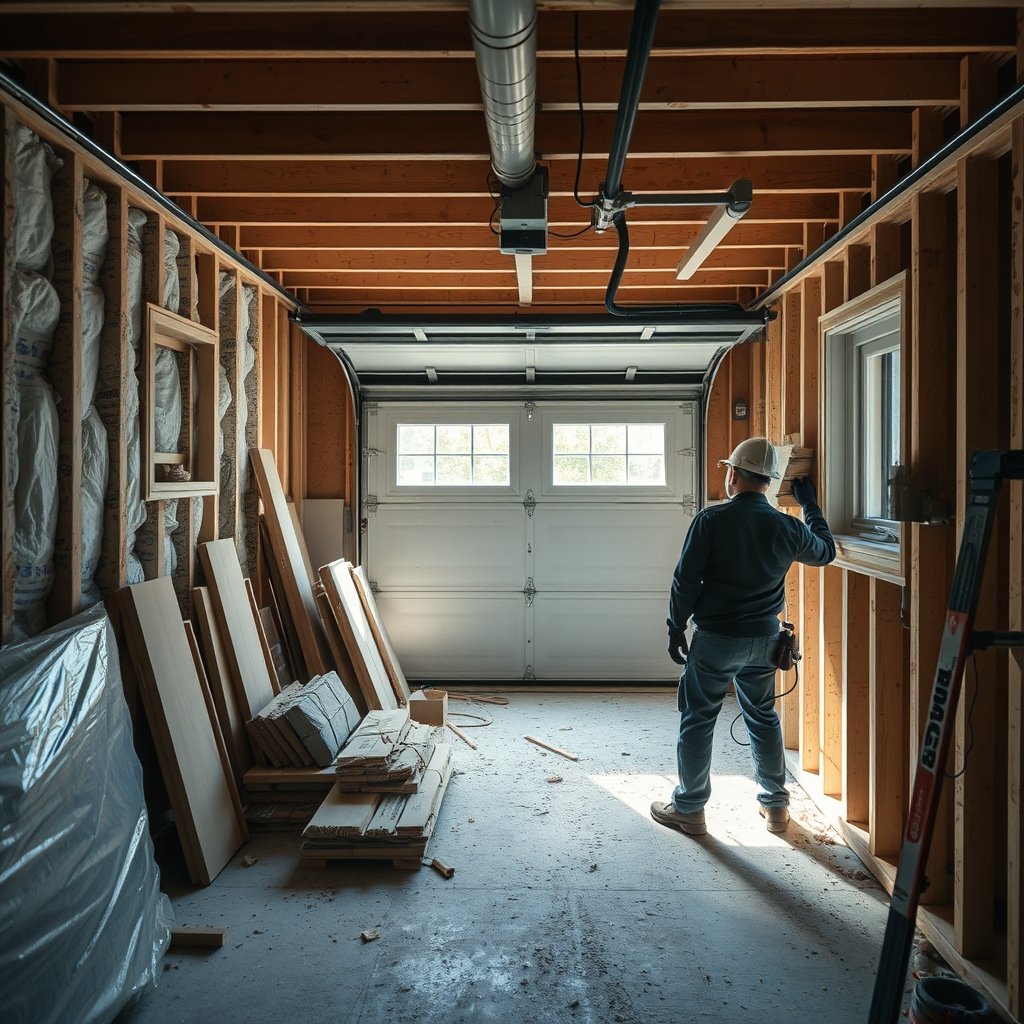
Line-item budget sample for a California ADU garage conversion (2024)
- Design & Engineering: $5,000 – $15,000
- Permits & City Fees: $8,000 – $20,000 (often lower if ≤750 sq ft due to SB 13 exemption)
- Foundation/Slab Repairs: $5,000 – $25,000
- Core Construction: $80,000 – $150,000 (includes framing, insulation, electrical, plumbing, HVAC, finishes)
- Solar (as required): $8,000 – $12,000 (required for new construction in many cities, sometimes optional for conversions—always verify)
- Contingency: 10–20% ($10,000 – $30,000, set aside for surprises)
Permitting workflow: What documents and approvals are needed?
- Building permit application
- Site, floor, and elevation plans (architect/engineer stamped)
- Structural calculations
- Title 24 energy compliance documentation
- Separate plumbing, mechanical, and electrical permit applications (sometimes combined)
- Proof of utility coordination (water, sewer, electric—especially for new meters or upgraded service)
- Permit fees (often a single invoice, but frequently multiple receipts across departments)
Note: Some cities like Santa Cruz ADU authority provide downloadable checklists—always crosscheck with city staff for updates.
Advanced analysis & common pitfalls: Avoiding surprise costs in your ADU garage conversion
ADU garage conversions are cost-effective, but only if you avoid the most common mistakes and hidden expenses that can derail your budget or timeline.
| Potential Problem | Average Cost Impact | How to Prevent or Mitigate |
|---|---|---|
| Unanticipated slab/foundation issues | $5,000 – $25,000 | Get a foundation and moisture inspection before design; include allowance in contractor bids |
| Electrical, sewer, or gas upgrades | $10,000 – $30,000 | Have utility providers issue requirements in writing during planning phase |
| Title 24 or solar mandates (depending on city/size) | $8,000 – $12,000 | Confirm if solar or advanced insulation/energy modeling is required for your specific conversion |
| Development impact fees | $5,000 – $15,000+ | Keep ADU ≤750 sq ft where possible; cite SB 13 to planning/building staff early |
| Hazmat remediation (asbestos/lead) | $2,000 – $10,000+ | Order a hazmat assessment for garages built before 1980 |
| Delayed permits or failed inspections | 2–8 weeks schedule slip | Use a design team familiar with local ADU codes; pre-submit plans for review if possible |
| Lowball/non-detailed contractor bids | Often 15% to 30% over budget in reality | Demand itemized, contract-fixed bids with hard contingency clauses and clear contract scope |
- Older garages (built pre-1980) frequently hide costs like asbestos or insufficient slab thickness. Order inspections before you pay for full plans.
- Permitting and impact fees can change overnight; always lock quotes in writing and keep units ≤750 sq ft where exemption policies apply.
- If rental income is your goal, check existing San Jose ADU rent comps or Los Angeles ADU case studies for realistic returns.
- Don’t skip the city pre-application meeting or a local feasibility consult. Both can flag surprise utility, zoning, or HOA hurdles in advance.
Conclusion
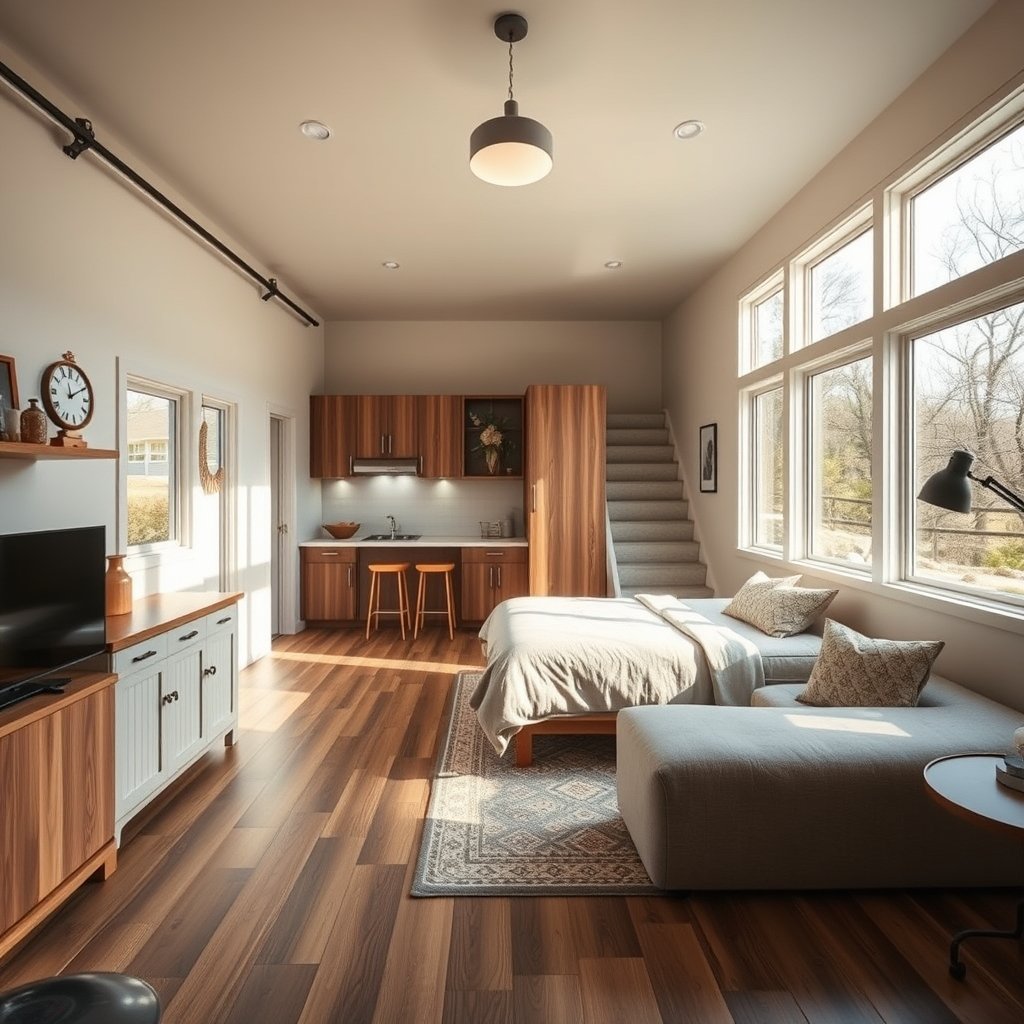
Done right, ADU garage conversion enables California homeowners to unlock substantial rental income, build multigenerational living options, and boost property value with a controlled investment. Rigid budgeting, early permit/utility research, and practical, local knowledge are essential to prevent overruns and headaches. If you’re preparing your ADU garage conversion, download our step-by-step checklist, confirm local SB 13 rules, and demand contractor bids with no missing line items. Ready to get started? Book a feasibility call or browse our California ADU cost examples now.
Frequently Asked Questions
How long does a typical ADU garage conversion take from start to finish?
Most projects span 8-12 months: 2-3 months for design/permitting, 4-6 months for construction, plus 1-3 months for plan revisions, inspections, and any utility coordination. Permitting alone can add unexpected weeks in cities with complex zoning or high volume.
How can I keep my garage ADU conversion legal and fully permitted?
Secure all required city permits (building, electrical, plumbing, energy), adhere to setbacks and size limits, and coordinate with local planners early. Always obtain a Certificate of Occupancy before renting the unit.
Are there ways to reduce my total convert garage to ADU cost?
Yes. Keep the unit under 750 sq ft (to avoid many impact fees), reuse garage structure and foundation when possible, and time your project outside of peak construction seasons. Compare at least three contractor bids, and require itemized breakdowns.
Will I need to install solar panels for my ADU garage conversion?
Some cities require solar for all new ADUs, but many exempt conversions of existing garages under a certain size. Confirm with your city’s building department whether you are exempt or must comply with Title 24 solar mandates.
Can I use financing like a HELOC or renovation loan for my ADU project?
Most California homeowners use home equity, HELOCs, or renovation loans. Consult a financial advisor to understand your options based on equity and income, and review your timeline for draw schedules and payments.
—