

### Blog Post:
Heat pump water heater installations are becoming a go-to upgrade for homeowners in 2025, especially if you’re cost-conscious and care about saving energy long-term. But are the numbers worth it—particularly when upfront costs can be intimidating? This in-depth guide cuts through the noise and shows you the real-world math, incentives, typical savings, and unavoidable tradeoffs no matter where you live.
Key Takeaways
- Total installed cost for a heat pump water heater in 2025 typically ranges from $3,600 to $6,500 before rebates and credits (unit, installation, and wiring included), with pricing higher in cold climates.
- Annual electricity costs for a four-person household run about $104–$160, so typical lifetime savings versus standard electric heaters reach $5,000–$7,000 over a decade.
- Federal incentives in 2025 include up to $1,750 in IRA rebates and a 30% tax credit (max $2,000/year). These can reduce your out-of-pocket cost by over a third, but eligibility and stacking rules matter.
- Quick snapshot — what you’ll pay and what you’ll save
- Itemized upfront costs — unit, installation, and wiring explained
- Advanced Analysis & Common Pitfalls
- Conclusion
- FAQ
Quick snapshot — what you’ll pay and what you’ll save
If you install a heat pump water heater in 2025, expect total upfront expenses from roughly $3,600 to $6,500 (including the unit, pro installation, and any required 240V wiring upgrades). For a typical four-person household, your annual electricity cost will land between $104 and $160. This means you’ll generally save $80–$230 every year on your water heating bill versus a conventional electric resistance heater. Over a 10-year lifetime, those savings stack up to about $5,000 to $7,000—enough to completely offset your initial investment, especially once rebates and tax credits are applied. [source]
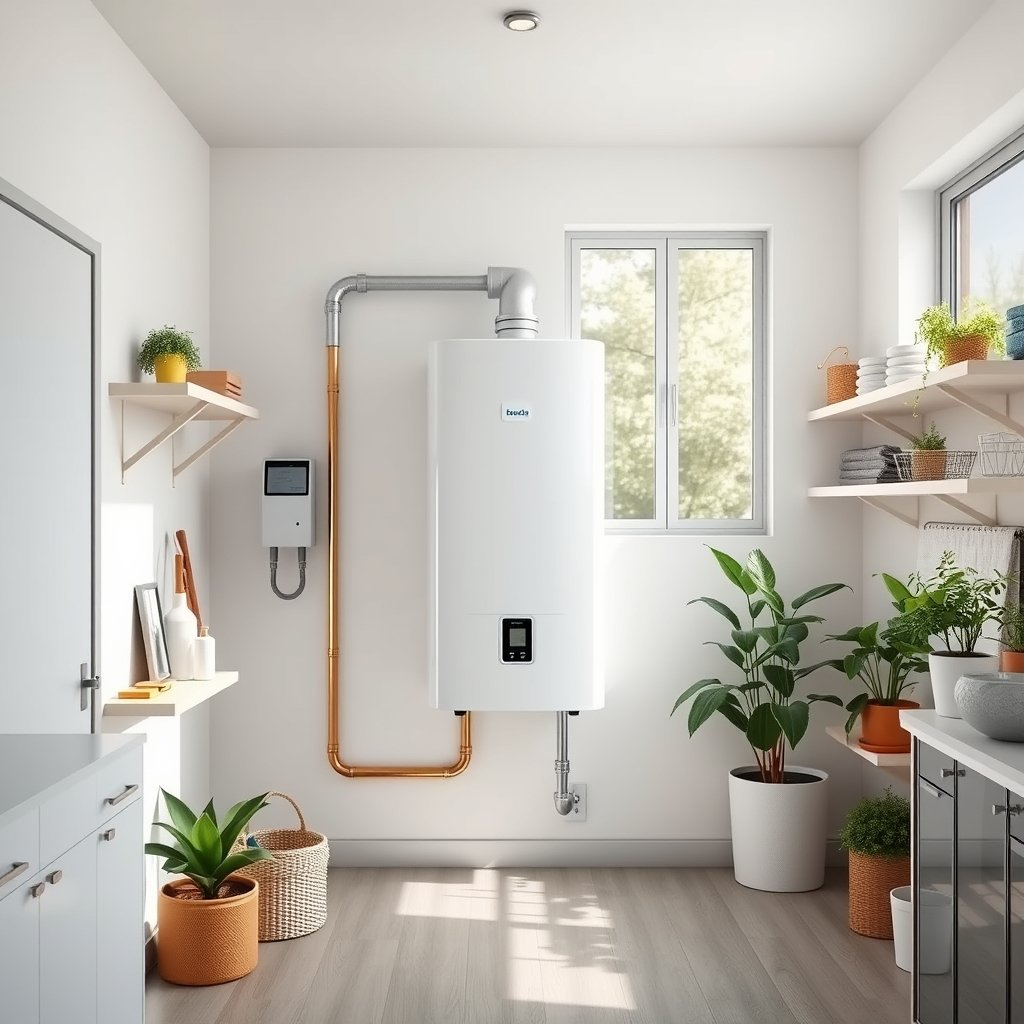
Itemized upfront costs — unit, installation, and wiring explained
Let’s break down exactly what you’ll pay when upgrading to a heat pump water heater:
- Unit cost: $1,200–$2,500 for most Energy Star certified models (50-gallon tanks are on the lower end; 80-gallon tanks are more expensive but may suit larger families).
- Installation labor: $1,500–$3,000 depending on plumber rates, complexity, and location (e.g., basement vs. garage or attic, and how easy it is for crews to maneuver).
- Electrical work: $300–$800 if you’re switching from a gas water heater or if your existing electric heater is only on 120V; this covers new 240V wiring by a licensed electrician.
- Supplies/disposal: $100–$300 for removal of old tanks, expansion tanks, permit fees, and minor parts.
Pro installation is safest and recommended (even for savvy DIYers), since these systems connect to both high-voltage power and pressurized water.
In colder climate areas like Massachusetts or Colorado, total install costs are typically at the high end of these ranges due to higher labor, more complex site prep, and sometimes upgraded tank insulation or indoor placement needs. Warm states such as California or Florida usually see lower overall costs. For more on climate price differences, check out our guide to heat pump costs by state.
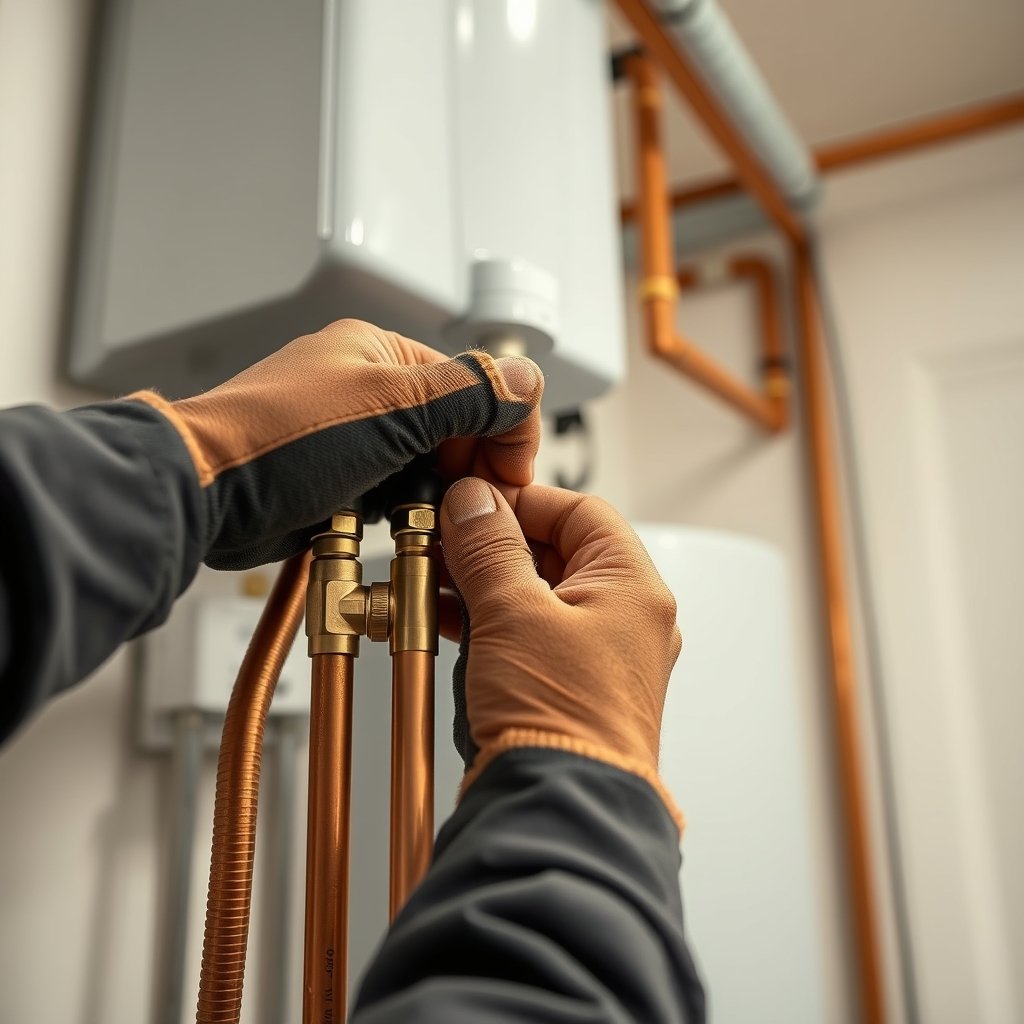
Upfront costs matter, but so do long-term savings. For most households, a heat pump water heater can pay for itself within 5–8 years—even faster when local rebates or IRA rebates apply. [see data]
Advanced Analysis & Common Pitfalls
Let’s go deeper. What do the numbers look like over a decade? And what headaches crop up during installation or after?
Operating costs, total savings, and payback timeline
- Annual electricity use: For a four-person household, expect $104–$160 per year on average.
- 10-year cost: About $1,040–$1,600 (compared to $1,800–$3,000+ for a resistance electric heater).
- Lifetime savings: $5,000–$7,000 on utility bills.
- Payback period: After tax credits/rebates, simple payback is usually 4–8 years, depending on your climate and household size.
Comparison: Warm region, cold region, and gas-to-electric swap
| Scenario | Unit | Install Labor | Wiring | Pre-Incentive Total | IRA Rebate | Tax Credit | Estimated Out-of-Pocket | Payback (yrs) |
|---|---|---|---|---|---|---|---|---|
| Warm State (FL/CA), Electric Replacement | $1,200 | $1,500 | $0 | $2,700 | $1,000 | $810 | $890 | 4 |
| Cold State (MA/CO), Electric Replacement | $2,500 | $3,000 | $0 | $5,500 | $1,750 | $1,127 | $2,623 | 6 |
| Nationwide Gas-to-Electric Swap | $2,000 | $2,200 | $650 | $4,850 | $1,500 | $1,005 | $2,345 | 5 |
See the detailed cost breakdown by region here.
Cold-climate performance and what to expect
- In cold winters, efficiency drops and annual operating costs can rise to around $180. Installation in a heated or semi-conditioned space helps.
- Larger tanks (65–80 gallons), hybrid operation modes, or selecting units with “resistance backup” can shore up performance in very cold garages or basements.
- If you live where winters are harsh, look for the best heat pump water heater 2025 models with proven cold-climate features.
For more, see this expert summary from SolarTech’s 2025 cost guide.
Common user frustrations and install challenges
- Installation complexity: Fuel swaps (gas to electric) almost always require electrician labor for new 240V wiring, which adds $300–$800.
- Sizing and noise: Heat pump water heaters can be taller/larger than old tanks and often emit a slight compressor hum. Confirm you have enough clearance.
- Warranty and service: Units often offer 8–10 year warranties (longer than standard electrics). Make sure you or your installer completes any required product registration.
- Confusing incentive eligibility: Since January 1, 2025, only Energy Star “Most Efficient” units qualify for federal credits and rebates. Always check your model’s eligibility before purchase. Read our IRA incentives checklist.
To sidestep headaches, ask prospective installers for references, electrical permit requirements, and specific experience with heat pump water heater brands. More tips at how to choose a heat pump installer.
Choosing the best heat pump water heater in 2025—what to look for
- Capacity: 50 gallons suits 2–4 people; 65–80 gallons for 5-plus or frequent hot water use.
- Performance: Compare COP (Coefficient of Performance) or Energy Factor (look for EF>3.0).
- Warranty: Look for 8–10 years, especially if you plan to stay put.
- Space/noise: Confirm installation location has clearance, ventilation, and accommodates modest sound output.
- Rebate-eligible: Confirm your model is listed under Energy Star’s Most Efficient for 2025.
Browse our picks for the best heat pump water heater 2025.
Installation checklist and project timeline
- Pre-install prep: Confirm clear site access, sufficient space, and a nearby floor drain. Check your panel has spare capacity if switching from gas.
- Permitting: Pull permits if your area requires them (your plumber or electrician usually handles this).
- Site visit: Expect a site walk-through to verify fit and plan wiring before installation day.
- Installation: Most pro installs complete in 4–8 hours, but multi-day delays can occur if electrical upgrades are substantial.
- Day-of-expectations: Typical costs for installation labor run $1,500–$3,000, electrician work $300–$800, and small supplies/disposal $100–$300.
- Documentation: Save all receipts and photos for rebate/tax paperwork.
Review our heat pump water heater installation checklist here.
How to maximize rebates and minimize out-of-pocket cost
Here’s how incentives typically stack up in 2025:
- The IRA provides rebates up to $1,750 (amount varies by household income and state program rollout).
- You are also eligible for a 30% federal tax credit on the total project cost (unit + installation + wiring), capped at $2,000 per year.
- Stacking is allowed: IRA rebate first, then tax credit on the reduced amount, but confirm your state/program rules. Only one rebate per home per year.
- IMPORTANT: Since Jan 1, 2025, only Energy Star Most Efficient units qualify for these incentives [see the official qualification rules].
For step-by-step on applying, see our guide to applying for heat pump rebates.

Conclusion
Done right, upgrading to a heat pump water heater in 2025 costs $3,600–$6,500 before incentives but can return lifetime utility savings of $5,000–$7,000—often paying for itself in just a few years. Watch out for local labor rates, electrical upgrade costs, and always check that your chosen model meets rebate eligibility. Ready to take action? Gather quotes, vet installers, and confirm your rebates before you buy. Use this guide anytime you need to make a confident heat pump water heater decision for your home.
Next steps: Get 3 itemized quotes, check your model’s Energy Star and incentive status, apply for utility rebates, and schedule your installation. Save every document for your tax return.
FAQ
How much does a heat pump water heater cost to install in 2025?
Total upfront cost (unit, installation, electrician) typically ranges from $3,600 to $6,500 depending on your home, installer, and regional labor rates. Rebates and tax credits can reduce this significantly.
What is the payback period for a heat pump water heater?
Most homeowners achieve simple payback in 4–8 years through energy savings and incentives. In warm climates—or when stacking rebates—the payback may be as short as 3–5 years.
Do these systems work well in cold climates?
They work, but at slightly lower efficiency. Expect annual running cost to be higher (up to $180/year). Choosing a larger tank, hybrid mode, or locating the unit indoors helps ensure hot water supply.
How do I confirm my unit qualifies for 2025 incentives?
Check that your model is listed as Energy Star Most Efficient for 2025—only these qualify for federal IRA rebates and tax credits. Ask your installer or consult the Energy Star product finder.
Can I install a heat pump water heater myself?
DIY installation is possible if you are highly skilled with electrical and plumbing, but professional installation is strongly recommended—especially to ensure eligibility for rebates, safety, and to comply with code.
—
[…] savings? Consider stacking these thermostat rebates with home efficiency upgrades covered in our heat pump water heater cost and rebate guide or home battery storage incentive breakdown to capture even more incentives before they […]