

### Blog Post:
Heat pump dryer technology is changing how frequent laundry households manage energy bills, clothing care, and apartment living—but are the real savings and installation claims as good as they sound? This guide breaks down how much money you’ll really keep, common installation barriers (especially in apartments), and what most 2026 dryer reviews miss, so you can skip buyers’ remorse and actually pick the dryer that’s right for your space, habits, and budget.
Key Takeaways
- Heat pump dryers can cut laundry energy use by 30–50%, usually saving $100–$180 or more per year, depending on your electricity price.
- Installation in apartments is realistic but buyers must plan for condensate draining, electrical needs, and local service access before purchase.
- Model specs like real annual kWh, moisture sensor quality, and warranty coverage matter more than just the price tag—know what most reviews skip.
- Quick verdict — is a heat pump dryer worth it?
- How heat pump dryers work vs vented dryers
- Verified annual energy & dollar savings
- Heat pump dryer vs vented dryer — performance trade-offs buyers must accept
- Common installation challenges and hidden costs — especially for apartments
- Rebates, incentives, and policy landscape
- What competitor reviews typically miss
- 2026 buying checklist — the specs and features to prioritize
- Model selection scenarios — best for apartments, best value, best capacity
- Pros & cons — succinct list with the numbers that matter
- Step-by-step pre-purchase checklist and calculator inputs
- Frequently Asked Questions
- Conclusion & next steps
Quick verdict — is a heat pump dryer worth it?
If you dry laundry at least three times a week and pay typical residential electricity prices, a heat pump dryer is worth it for its 30–50% lower energy use and much gentler fabric care—especially if you want lower bills and apartment flexibility. Field studies in 2025 show typical savings of 350–410 kWh/year, equaling about $100–$180 slashed from your annual utility bill, with most users recouping the upfront premium in 5–8 years, depending on usage and local incentives.
How heat pump dryers work vs vented dryers (short technical explainer)
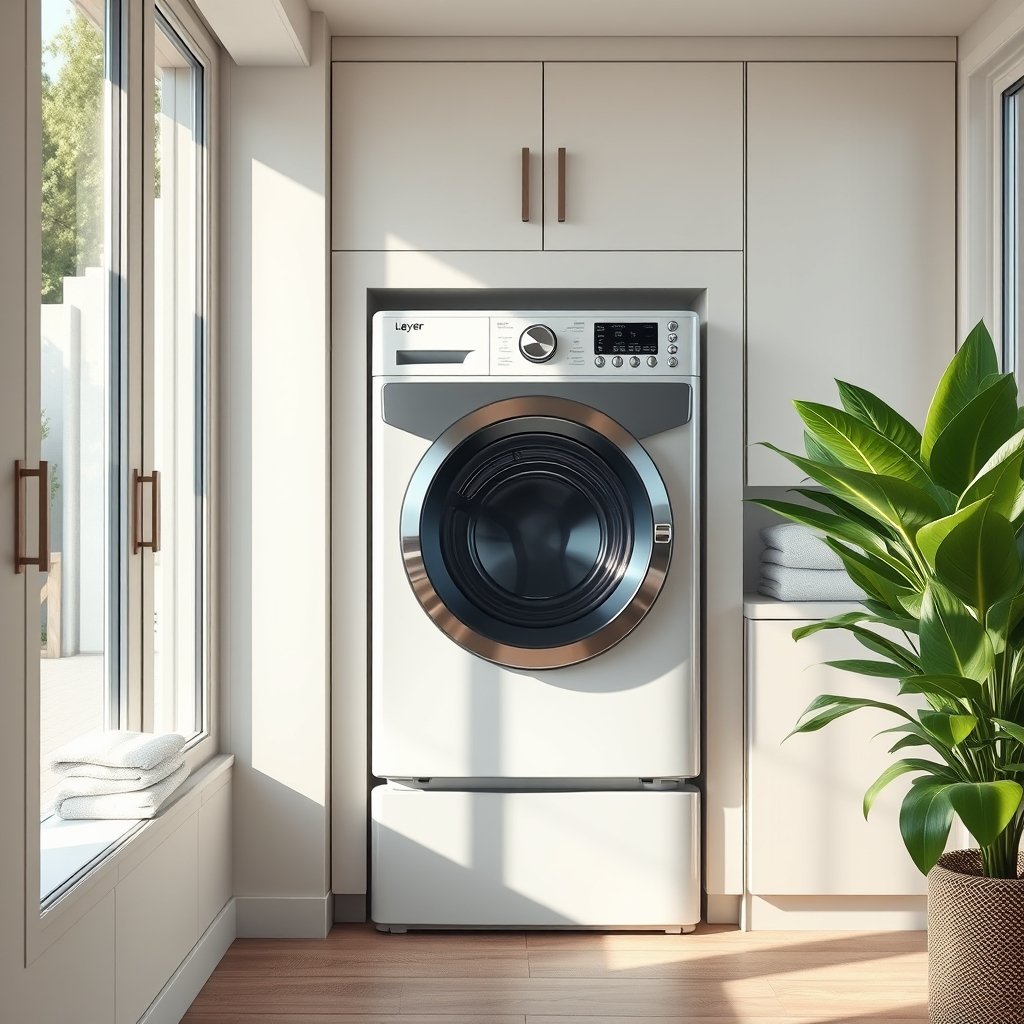
A classic vented dryer heats air with an electric element or gas burner, pushes it through the drum, and sends warm, humid air outside, wasting all that energy. A heat pump dryer works differently—using a closed-loop refrigerant system to pull moisture out at much lower temperatures (about 40–55°C instead of 70–75°C), then reusing that heat instead of throwing it away. This process is far more efficient, results in less fabric wear, and eliminates the need for an exterior vent (huge for apartment installs).

Verified annual energy & dollar savings (what studies actually measured)
Recent field and lab studies (see ENERGY STAR’s SEDI Fact Sheet) consistently report average household energy savings ranging from 300–410 kWh every year when upgrading from a vented dryer to a modern heat pump model. That’s a 30–50% reduction. At $0.28–$0.30 per kWh (now common in the US), this turns into $100–$180 in bill savings per year—real money, especially for laundry-heavy homes. If your utility offers a heat pump dryer rebate or discount, you can knock hundreds off the upfront cost, pushing payback closer to 4–6 years in high-cost electricity zones.
Heat pump dryer vs vented dryer — performance trade-offs buyers must accept
Heat pump dryer vs vented dryer boils down to this: You pay more upfront (often $650–$1,000 extra), wait 10–40% longer for loads to finish, but get nearly half off your dryer’s yearly energy consumption and enjoy gentler drying, which can help clothes last longer. Maintenance is simple (mainly filter/lint cleaning), but replacement parts like heat pump compressors may be harder to source in less urban areas. To see these numbers side-by-side, check the table below:
| Feature | Heat Pump Dryer | Vented Dryer |
|---|---|---|
| Upfront Cost (mid-size) | $1,200–$1,800 | $600–$1,200 |
| Annual Energy Use | 150–230 kWh | 300–500 kWh |
| Typical Cycle Time | 70–110 min | 45–70 min |
| Exterior Vent Needed? | No | Yes |
| Gentler on Fabrics | Yes (lower temps) | Often No |
Common installation challenges and hidden costs — especially for apartments
The best ventless heat pump dryer for apartments fixes obvious venting headaches—but surfacing real installation hurdles is key before you buy. Plan for:
- Cost premium: Expect $650–$1,000 more than a basic vented model, though rebates may reduce this.
- Condensate management: Most units need a condensate drain or pump line or regular emptying (if using a reservoir). Some units offer condensate pumps—key for stacked or closet installs.
- Electrical: Most run on a standard 120V or 240V circuit, but confirm your panel and avoid overloading shared apartment circuits.
- Space and stacking: Measure carefully and check ventless/compact compatibility if stacking with a washer.
- Local service: Not all areas have techs who service heat pump systems—confirm support and warranty before purchase (see this buyer’s breakdown).
- Building rules: Some apartments/HOA policies restrict appliance types; always check first.
- Heat buildup: Ventless dryers release some low-grade heat indoors—useful in winter, less so in summer or small spaces.
For a true all-in-one solution with both ventless drying and compact form factor, check out the ventless washer dryer combo guide as an alternative.

Rebates, incentives, and policy landscape (how to lower upfront cost)
The federal ENERGY STAR Super Efficient Dryer initiatives and many state utilities now incentivize best heat pump dryer 2026 models with up to several hundred dollars in rebates. These programs often require that you purchase an ENERGY STAR–certified model and may vary by region. Always check both ENERGY STAR’s rebate finder and your local utility’s website for the latest offers before you buy.
Rebates can shrink net payback time from 8–10 years down to as little as 3–5 years for heavy users with high electricity costs (example: $650 rebate drops a $1,500 unit to $850, so annual $170 savings delivers rapid ROI). For further details on available offers and how to claim, check rebate sections in local appliance retailer sites and our heat pump water heater cost guide for broader policy context.
What competitor reviews typically miss (unique insight — make this a main section)
Most heat pump dryer reviews skip key technical specs and field data that actually impact ownership:
- Measured annual kWh: Look for real-world usage numbers—not just EnergyGuide estimates.
- Washer pairing: High-efficiency washers can boost savings by leaving less water in laundry; up to 35% of savings may come from the washer, not the dryer alone (see ACEEE’s measured performance).
- Condensate drain/pump setup: Essential for stacked or inside-closet installs—models with built-in pumps give more flexibility.
- Cycle-time testing: Compare cycle times by load size, not just manufacturer spec sheets.
- Noise (dBa): Apartment users should check actual user-measured decibel ratings.
- Moisture sensor accuracy: High-performance sensors prevent overdrying and lower bills (see Consumer Reports 2026 analysis).
- Compressor warranty: Some units have only 1–2 year coverage; prioritize 5–10 year guarantees.
- Local repair/service coverage: Service tech shortage is a top reason for buyer regret—always check dealer and brand local presence.
2026 buying checklist — the specs and features to prioritize
Here’s what matters most when comparison shopping for the best heat pump dryer 2026:
- Lowest measured annual kWh or projected annual cost.
- High-quality moisture sensors to prevent overdrying (check CR’s guidance).
- Condensate management: Pump or direct-to-drain option, especially for apartments.
- Hybrid/heater modes: Useful if you sometimes want speed over efficiency.
- Long compressor warranty: 5–10 years preferred.
- Local service network (ask your appliance retailer or check brand reputation forums).
- Typical cycle times for your load size.
- Noise output in dBA (important for shared spaces).
- High combined energy factor (CEF) rating; numbers above 6 are preferred.
Top 2026 brands remain Miele (compact/luxury), LG, and GE (broad market coverage). For tight spaces or integrated laundry, see our ventless washer dryer combo guide to match the right unit to your needs.
Model selection scenarios — best for apartments, best value, best capacity
Apartment dwellers: Prioritize ventless models with internal condensate pumps, low noise (under 60 dBA), compact footprint, and proven service in your metro. Miele and compact LGs are most cited in owner reviews.
Budget/value shoppers: Compare CEF ratings, check for an extended warranty, and seek out high real-world savings; LG and GE regularly top this list. Remember, a slightly more expensive unit with a better warranty may actually cost you less over a decade.
Large households: Choose a full-size model (7.4–8 cu ft), fast hybrid cycles, and easy local support. Miele’s XL and select GE models repeatedly score high in Consumer Reports for annual operating cost—see the latest CR comparison for updates.
For multi-appliance upgrades, pairing with an energy efficient water heater or induction cooktop retrofit can further drive down utility costs and rack up additional rebates.
Pros & cons — succinct list with the numbers that matter
- Pros:
- 30–50% less energy use (annual savings of $100–$180 typical)
- Gentler on fabrics by drying at lower temperatures
- Allows installation where venting is not possible—perfect for most apartments
- Helps reduce carbon footprint (EPA)
- Cons:
- Upfront price premium ($650–$1,000 more vs vented)
- Longer average cycle times (up to 40% slower per load)
- Potential for light heat buildup in small living spaces
- May require handling condensate drain/pump setup
- Local repair/service coverage can lag behind older vented models
Factor these in when modeling your payback and sourcing installers—the delta is real but not always a deal-breaker.
Step-by-step pre-purchase checklist and calculator inputs (call-to-action)
Before buying your heat pump dryer, gather these details to plug into your payback calculation and avoid hidden headaches:
- Your current dryer’s annual kWh use (or average estimate if unknown—see EnergyGuide label or table above).
- Local cost per kWh (check your utility bill—often $0.28–$0.30).
- How many loads per week? (3 if single, 5–7 for families; more loads = faster payback).
- Check for available rebates at ENERGY STAR and your utility (can lower your initial cost by $200–$650).
- Confirm you have a suitable electrical circuit (120V or 240V as required by your model).
- Plan for condensate drain or pump—must fit your install scenario (some apartments limit what’s allowed).
- Call local service providers or your building manager to verify repair coverage before buying.
Plug your projected dryer kWh savings against the $100–$180 typical annual reduction, subtract any rebates from your purchase premium, and you’ll see if the switch pencils out.
Action steps: Measure your laundry room for fit, call your landlord or HOA if renting, check local rebates, and shortlist 2–3 ENERGY STAR–certified models. For all-in-one space-saving picks, see our ventless washer dryer combo guide.
Frequently Asked Questions
Are heat pump dryers apartment-friendly?
Yes, most heat pump dryers are ventless and ideal for apartments—no exterior vent required. However, always check building codes and prepare for condensate drain hookup or regular reservoir emptying.
Do heat pump dryers need a special circuit?
Most standard models work on 120V or 240V, but always check specs and confirm your apartment or home electrical panel can handle the load (especially if running other appliances on the same circuit).
How long until I break even on the upfront cost?
Most buyers recover the extra cost in 5–8 years, or even sooner if you run frequent loads, pay premium electricity rates, and get a rebate. Calculate your expected payback based on your usage and energy price.
Are heat pump dryers noisy?
They are generally quieter than older vented dryers, but noise can vary by model and installation. Look for models rated under 60 dBA for the quietest experience—this matters if the unit is in or near living space.
What is required for installation in an apartment?
You’ll need a spot for the dryer, access to the correct electrical outlet, and either a way to direct condensate to a drain or capacity to empty its internal reservoir. Some buildings may have restrictions, so confirm before purchase.
Conclusion & next steps
For urban and suburban homeowners or renters who do laundry often and want real energy-dollar savings, the current generation of heat pump dryers delivers: expect about 30–50% lower electricity consumption, $100–$180 lower annual bills, quieter and gentler loads, and straightforward, vent-free installation. Run the checklist above, use your numbers, and compare the best heat pump dryer 2026 models. Don’t forget—confirm local service and chase rebates before buying. Ready to make the smart switch? Review models, check local offers, and lock in those yearly savings with a heat pump dryer that matches your needs.
—