

### Blog Post:
Biophilic design home changes are not just about style—they offer measurable boosts to your mental health, focus, and even home value, using natural light, plants, and materials anyone can afford.
Key Takeaways
- Biophilic design home strategies lead to real health benefits: up to 15% better well-being, a 6% productivity lift, and 20–30% drops in anxiety and depression symptoms (Research).
- Small, budget-first upgrades (like $100 in plants or rearranging for more sunlight) can provide measurable changes in stress, sleep, and focus within weeks.
- Anyone can implement these ideas easily—no renovation or huge spend required. Maintenance and practical tips below make it manageable.
- Why biophilic design home matters — the measurable benefits
- The 1-hour effect — short exposures produce measurable physiological changes
- High-impact, budget-friendly biophilic interior design ideas (with cost tiers)
- Room-by-room biophilic interior design ideas
- Natural light home remodel — practical steps that improve health and value
- Living walls & indoor garden ideas — design, costs, irrigation and maintenance
- Materials, textures and 2026 decor trends (wood and stone interior design)
- What leading articles and influencers often miss — the top strategies to include
- How to measure whether your changes are working
- Quick project checklist, timeline and budget templates
- Closing — next steps and resources
- FAQ
Why biophilic design home matters — the measurable benefits
Science-driven biophilic design home upgrades are not just a trend. Studies show that homes integrating visible greenery, wood, daylight, and natural textures produce consistent health wins. Key findings:
- 15% higher overall well-being—measured in thousands of residents with added plants and natural views (source).
- 6% boost in productivity and up to 15% more creativity—relevant to any work-from-home or parenting schedule.
- Sharper memory and attention span (10–15% improvement) when windows frame vegetation instead of city views or walls.
- Even medical settings see 26–41% shorter recovery stays in daylight-rich patient rooms.
With American adults spending 90% of their time indoors (source), small investments in biophilic elements can pay off daily.
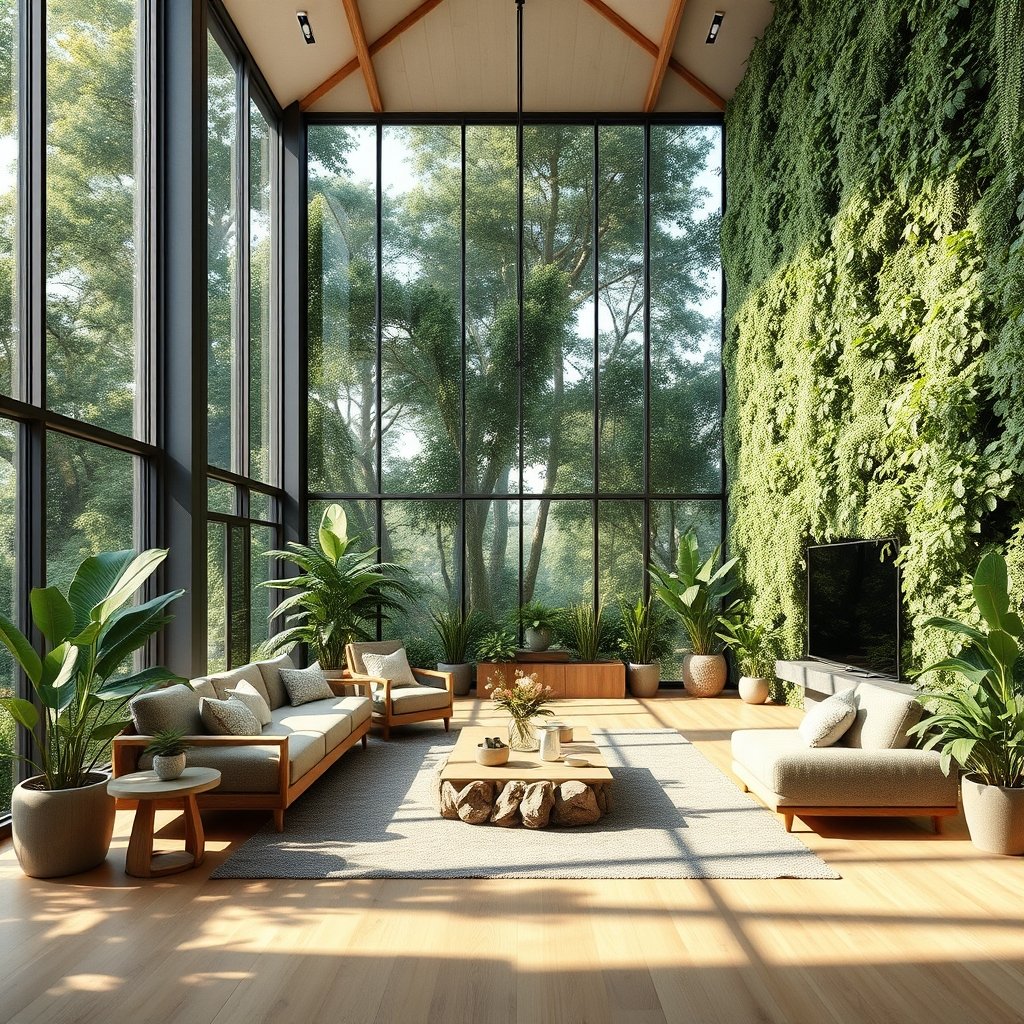
The 1-hour effect — short exposures produce measurable physiological changes
It doesn’t take a total renovation to see results. Even a one-hour exposure to a plant-filled, sunlit room measurably shifts your body and mind:
- Salivary cortisol (stress hormone), heart rate, and skin conductance drop up to 20% (Dayhouse Studio).
- Alpha brainwave power rises, tension and fatigue are reduced, and vigor improves.
- Reductions in pro-inflammatory cytokines, marking lower body-wide stress response.
This rapid “reset” is the science-backed reason to create a green corner, set up a window-side lounge, or just bring in a tray of fresh-cut branches—even for an afternoon.
High-impact, budget-friendly biophilic interior design ideas (with cost tiers)
Wondering how to add biophilic design on a budget? Here are prioritized, proven moves with realistic price and DIY times:
| Tier | Ideas | Cost | DIY Skill | Maintenance |
|---|---|---|---|---|
| $0–$200 Starter | Potted plants (snake plant, pothos), reposition furniture toward daylight, rearrange for window views, water tray for humidity, mirrors to amplify views | $20–$200 | Tiny—plant shopping and basic care | 10 min/week (watering, dusting leaves) |
| $200–$1,500 Upgrade | Larger planters, natural fiber rugs/baskets, small plug-in water feature, daylight-sensing lamps, floating or wall-mounted wooden shelves for plants | $200–$1,500 | Basic DIY or handy friend/contractor | Extra 10–30 min/month (watering, refilling water features, rotating plants) |
| $1,500–$8,000 Remodel | Built-in planter boxes, new skylights, window reframe or glass block, cork or hardwood flooring, interior stone panels, professional lighting adjustment | $1,500–$8,000 | Intermediate/pro contractor | Minimal ongoing upkeep |
For all tiers, research confirms: Indoor plant installations have been linked to 20–30% lower self-reported anxiety and depression symptoms (Biofilico).
Room-by-room biophilic interior design ideas
Biophilic design is most effective when tailored to each room’s purpose. Here are direct, actionable tactics:
- Living Room: Anchor a sofa near a window for green views, group 2–3 textured potted plants (floor and shelf), use woven baskets for storage, and place a water bowl/fountain to humidify dry air.
- Biophilic bedroom design: Add one large, air-purifying plant (like snake or peace lily), hang linen or jute curtains for tactile, dappled light, and use a white noise machine or bowl fountain for subtle nature sounds.
- Home Office: Put smaller desk plants near your screen, position the desk toward a daylight source, and use a wooden accessory tray or mousepad for touch. Try scent (citrus or mint) to support alertness.
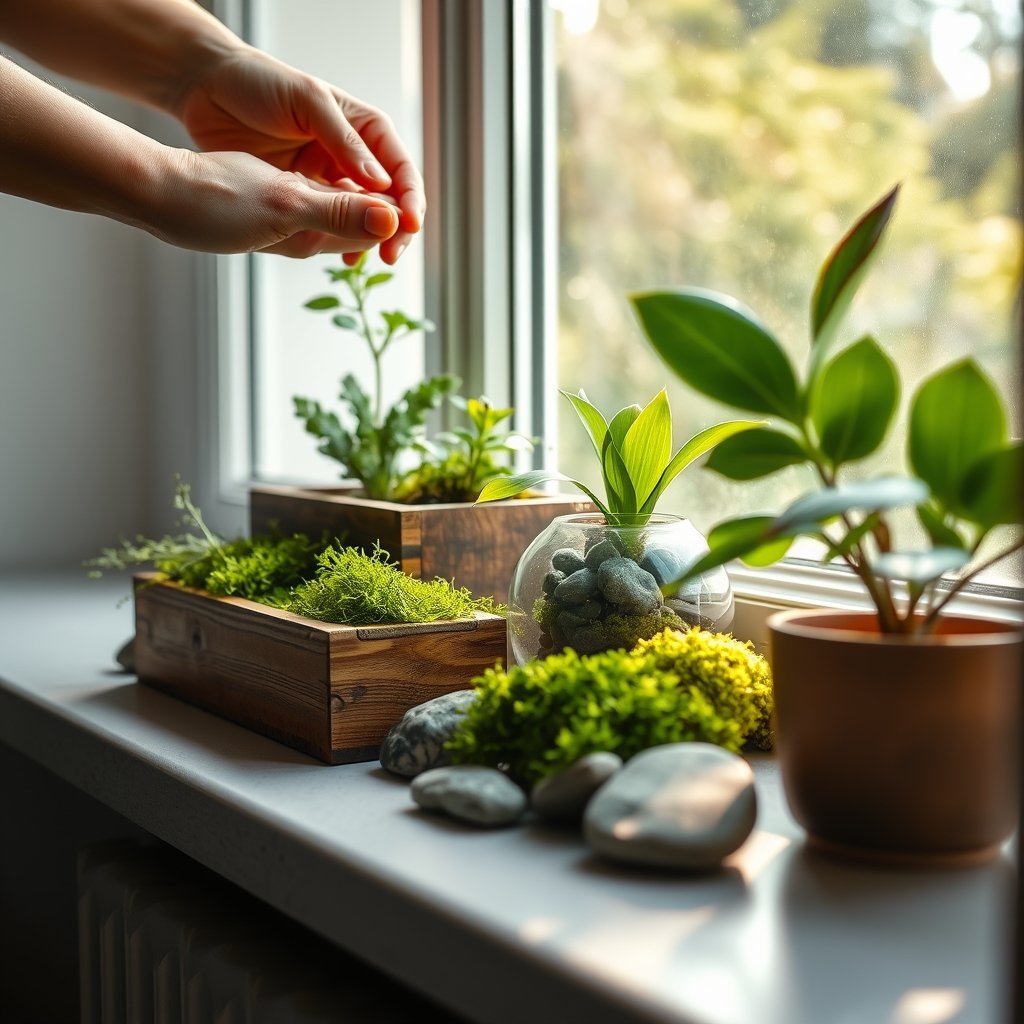
- Kitchen: Grow a mini herb garden on the sill or wall, set out a live moss or pebble tray, and use ceramic or wood cutting boards for sensory grounding.
Proven result: “When windows frame vegetation (vs built facades), memory recall and attention span improve by about 10–15%.”
Natural light home remodel — practical steps that improve health and value
Optimizing daylight can be the single highest-return change for well-being and resale. Steps depend on your budget and home orientation:
- Easy Wins: Rearrange layout to keep major living areas near south/east windows. Use mirrors opposite windows to bounce light deeper into rooms.
- Moderate Upgrades: Swap dark/bulky blinds for light-filtering sheers and add glass doors or panels between spaces.
- Larger Projects: Consider skylights, reframe/expand small windows, or add sun tunnels. Always check local permit, structure, and insulation needs.
Use daylight-sensing LED bulbs in shaded corners to mimic sunlight on gloomy days. If not sure where to invest, adding or enlarging an egress window is a resale-friendly move for both safety and light.
Clinically, daylight-rich rooms have been linked to a 26–41% reduction in recovery stays and 5–7 mm Hg lower blood pressure.
Living walls & indoor garden ideas — design, costs, irrigation and maintenance
Want a statement piece or just a dense patch of greenery? Compare your options:
| Type | Best Rooms | Cost | Irrigation | Maintenance | Perfect for Renters? |
|---|---|---|---|---|---|
| Modular Living Wall Panel | Living room, office, entry | $200–$1,000 (DIY/kit) | Manual or built-in drip | Monthly trimming, weekly fill | Often, yes (as removable) |
| Wall Shelf Garden | Kitchen, home office | $50–$300 | Hand watering | Minimal, rotate plants for light | Yes—command hooks or cleats |
| Floor Planter Cluster | Any room | $30–$400 | Hand watering | Easy, less vertical reach | Absolutely |
Species for low light: ZZ plant, snake plant, pothos, philodendron.
Species for bright spots: Fiddle-leaf fig, monstera, spider plant, herbs.
Budget for low-effort drip irrigation systems if going beyond 3–5 planters, especially in warm or dry climates.
More inspiration? See this wall panel project for easy ways to integrate plants with trending wood accents.
Materials, textures and 2026 decor trends (wood and stone interior design)
Wood and stone interior design is moving beyond rustic clichés. In 2026, layering multisensory (touch, visual, even scent) experiences is key:
- Mix easy-install wood slats (LVP plank flooring is a crashproof, affordable alternative) with stone-effect tile or wall panels.
- Choose natural textiles: jute, cotton, or wool throws and rugs feel different than synthetics and are easy to swap out as trends evolve.
- Look for small surfaces (side tables, lamp bases) to use real or imitation stone for a grounding effect.
- Biomorphic patterns (shell, leaf, water motif prints) on pillows, art, and small decor create subconscious calm—no major outlay needed.
Research from 2024 shows integrating natural materials (wood textures and stone) in interiors measurably relaxes the autonomic nervous system, lowers heart rate, and boosts alpha brainwave activity—while never going out of style (see more).
For additional flooring inspiration that merges durability with nature-inspired aesthetics, see our LVP vs hardwood analysis.
What leading articles and influencers often miss — the top strategies to include
Too much biophilic design advice focuses on visuals and “Instagram moments.” Evidence and real-world feedback show what actually works:
- Multisensory design: Don’t ignore sound (add water or white noise), scent (herbs, citrus, fresh-cut wood), or subtle shifts in temperature (open window for fresh air flow) to deepen the effect.
- Evidence-based planning: Research finds many homes implement nature-inspired looks, but fall short on light exposure, long views, or cross-room consistency. Start with a simple audit: how many senses does your new project actually engage?
- Common Barriers: Renters may be restricted from adding big features; maintenance fatigue (watering, cleaning); and accessibility (wheelchairs, visual limitations) can block some ideas.
- Studies show that 75% of research screens for hearing, but only about 50% screen for vision and smell—meaning multisensory balance is often missed (MDPI 2024).
Simply put: balance sight, sound, touch, and scent, and you’ll enjoy far more benefit for less effort. Addressing real user needs beats “show home” perfection.
How to measure whether your changes are working
Don’t just guess—here’s how you can confirm your investment is making a difference:
- Use a simple mood-tracking journal or phone app for a week before and after your change.
- Log sleep quality or any new feelings of rest/alertness (track bedtime, uptime, and night wakes).
- Keep a quick focus/productivity diary if you work from home (rate every day, rate after “green” time).
- Physiological proxy: take your resting heart rate each morning, or BP if you have a home monitor—note changes over the first month.
1-Hour Self-Test: Add a new plant seat, or lighting tweak to your primary space. Spend an hour there. Log your mood, and pulse before/after. Research shows that even 1 hour of change can show a measurable drop in salivary cortisol and stress signals (see data).
Quick project checklist, timeline and budget templates
Streamline your biophilic design home journey with these ready steps and tools:
- Audit: Walk through and note each room’s daylight, plant life, and natural materials. Snap a few photos for before/after review.
- Prioritize: Choose “easy wins” for high-traffic or high-stress rooms first.
- Procurement: Make a simple plant and decor shopping list (see next section links), or consult with a local contractor for upgrades.
- Install: Tackle 1-2 features per week. Don’t overcommit—habit, not overwhelm, gives best results.
- Review: Check mood, focus, and sleep at 30 and 90 days; repeat audit as needed.
| Minimal DIY (plants/textiles) | Mid-range Remodel | |
|---|---|---|
| Budget | $150–$400 | $2,000–$5,000 |
| Time | 1–2 weekends | 3–5 weeks (contractor + schedule) |
Since Americans average nearly all their time indoors, these changes matter for health and value long term. For further home upgrade inspiration, see our cost and install guides on ventless washer dryers or heat pump water heaters—two other wellness-focused upgrades compatible with biophilic living.
Closing — next steps and resources
Ready to start? Here’s what to do now:
- Download or copy our 1-page contractor spec sheet and editable plant/lighting budget list.
- Bookmark these trusted science-based resources for deeper reading:
- Want to increase ROI? Read how installing LVP flooring or adding garage ADUs mesh with biophilic design home upgrades for long-term value.
Bottom line—biophilic design home improvements produce a 15% rise in well-being and 20-30% lower anxiety with indoor plants. Start with a single room, review your results, and iterate for real, science-backed wellness in daily life.
FAQ
What is the most affordable way to start with biophilic design at home?
The cheapest starting point is rearranging furniture to maximize window views and adding a few easy-care potted plants (like snake or pothos). These changes can cost under $100 and take less than an hour.
Does biophilic design really make a measurable health difference?
Yes—multiple studies have shown lower stress hormones, improved sleep, and up to 15% better mood and focus scores after adding plants, daylight, and natural materials indoors.
Which rooms should I prioritize for biophilic interior design?
Focus on the living room, bedroom, and home office first. These are where you spend the most time and where stress and focus improvements will be easiest to notice.
Is biophilic design high-maintenance?
It can be low-maintenance if you choose the right plants (snake, ZZ, pothos), opt for deep waterproof trays, and automate watering if needed. Start small to avoid overwhelm.
Can biophilic upgrades increase home resale value?
Absolutely! Spaces with more daylight, quality flooring, and healthy greenery not only feel better to live in, but also attract higher offers and stand out in listings.
—