

### Blog Post:
Luxury vinyl plank flooring is now one of the top choices for homeowners who want durability, realistic wood looks, and strong water resistance without blowing their budget. If you’re replacing carpet or damaged hardwood, the 2024 LVP market offers more options and price points than ever—making smart comparison and reading the fine print essential for lasting results.
Key Takeaways
- LVP and waterproof vinyl plank flooring cost between $2 and $5 per square foot for material, with fully installed prices typically $4 to $7 per square foot in 2024.
- Wear layer thickness, core construction (SPC vs WPC), and warranty details are crucial for choosing the most durable and pet-friendly floor within your budget.
- DIY floating floor installation can cut project costs significantly, but subfloor prep and warranty requirements make pro installs better for some homes.
- How much does luxury vinyl plank flooring cost in 2024?
- LVP vs Hardwood — cost and value tradeoffs
- SPC flooring vs LVP — is SPC worth the premium?
- What buyers get for the money — thickness, wear layer, and construction explained
- Common consumer complaints and real-world problems (installation and everyday use)
- Is LVP truly waterproof and pet-friendly? What to verify before buying
- DIY floating floor installation — when it makes sense and common pitfalls
- Warranty, fine print, and what competitor articles often miss
- Brand shortlist and decision checklist — pick for durability, waterproofing, and budget
- Quick cost estimator and room budgeting example
- FAQs buyers search for
- Conclusion and recommended next steps
How much does luxury vinyl plank flooring cost in 2024?
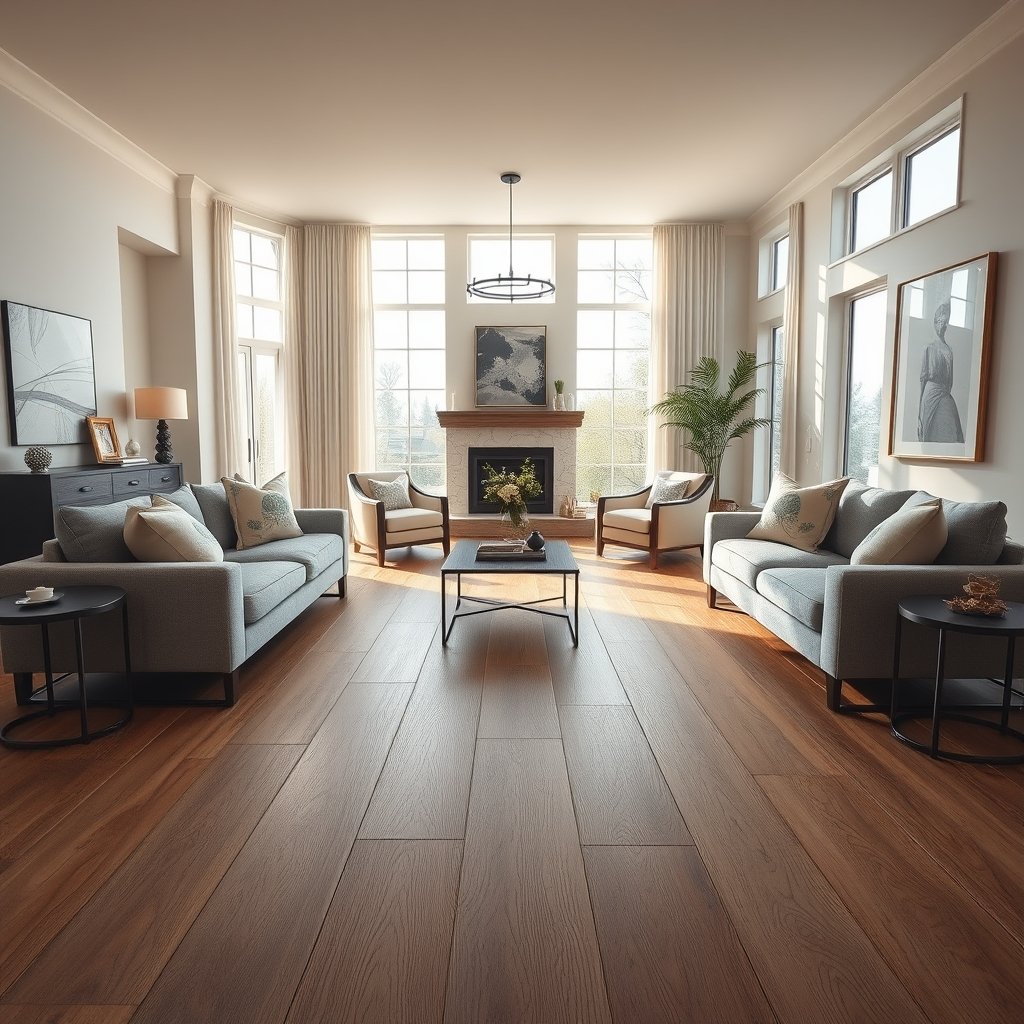
Luxury vinyl plank flooring cost per square foot in 2024 ranges from $2 to $5 for material only. Once you include installation, the typical total price lands between $4 and $7 per square foot. If you’re comfortable with DIY, costs stay on the lower end—about $2 to $5 per square foot for all materials. For professional installation, expect up to $8 per square foot in some markets. Factors such as total thickness, quality of the wear layer, the type of core (WPC, SPC), and realistic embossing directly drive costs. Premium LVP with thick abrasion-resistant finishes and embossed wood textures tends to push your costs toward the $5 per square foot end even before labor. Labor alone for installation often runs $2 to $6 per square foot, depending on prep required and layout complexity.
For step-by-step cost breakdowns by installation type, see our deep dive in this LVP installation cost guide.
Source: Premiere Builders LVP Cost 2024 and Carpet Exchange.
LVP vs Hardwood — cost and value tradeoffs
If you’re comparing LVP vs hardwood cost, know that real hardwood is a major investment. Traditional hardwood flooring averages $8 to $25 per square foot for material, and $12 to $25 per square foot installed. In contrast, LVP caps out around $5 per square foot for material and $7 per square foot for installed product—sometimes less if you DIY. Hardwood can raise resale value in high-end homes, but luxury vinyl plank flooring wins on upfront savings, minimal maintenance, and resistance to water and pet accidents.
LVP typically lasts 10 to 20 years with proper care, rivaling mid-range hardwood. Most families with children, dogs, or high traffic choose LVP to avoid the refinishing and water risk issues hardwood faces. For more on efficiency upgrades, see our guide to modern heat pump water heaters.
SPC flooring vs LVP — is SPC worth the premium?
SPC (stone plastic composite) flooring is a more rigid version of LVP, built for maximum stability. SPC cores use powdered stone for extra dent resistance and waterproof ability, making them ideal for kitchens, basements, or sunrooms prone to temperature swings. SPC flooring usually costs $2 to $4 per square foot for material and $4 to $8 per square foot installed—pretty similar to the upper end of LVP. SPC feels firmer underfoot and is less likely to show chair indentations but may sound harder or colder in some homes. If stability and waterproofing are your top priorities (e.g., for bathrooms, laundry, or below-grade spaces), SPC can be worth the extra investment over entry-level LVP, though both are below even the cheapest hardwood in total installed cost.
What buyers get for the money — thickness, wear layer, and construction explained
When comparing luxury vinyl plank flooring, don’t just shop by color or price. The true test of durability lies in the technical specifications:
- Wear Layer: Measured in mil (thousandths of an inch). Entry-level products start around 6 mil, but 12 mil is suitable for most homes, and 20 mil is ideal for heavy traffic, pets, or long-term use. Commercial projects sometimes top 28 mil.
- Plank Thickness: LVP typically ranges from 4 mm (entry level) to 8 mm or more (premium lines). Thicker planks are better for sound absorption and transition heights but cost more.
- Core Type: WPC (wood plastic composite) is softer and warmer, while SPC delivers the maximum in dent, water, and heat stability.
- Warranty: The best LVP flooring brands back their product with 15- to 30-year residential warranties, but nuances about wear-through, pets, standing water, and required installation methods matter. Always check the exclusions in fine print.
For real-world examples, review the specific wear layer and thickness specs in the top-performing brands in our LVP installation overview.
Common consumer complaints and real-world problems (installation and everyday use)
Even great products can go sideways if installed poorly or used outside their design scope. Here are the most common issues buyers report:
| Problem | Typical Cause | How to Avoid |
|---|---|---|
| Labor cost surprises | Underestimating subfloor prep, removal, or tricky layouts | Request a full site assessment and itemized quote (see detailed install breakdown) |
| Squeaks or hollow sound | Improper underlayment, subfloor moisture, or lack of expansion gap | Check subfloor flatness and moisture before installation; follow expansion gap rules |
| Edge swelling, lifting, or water intrusion | Prolonged standing water, unsealed edges | Insist on sealed lock/joint edges and prompt cleanup of spills |
| Fading or scratches | Cheap wear layers or aggressive cleaning methods | Choose 12-20 mil wear layer and ask about scratch-resistant coatings |
Labor for LVP flooring installation can be higher than expected, especially where old flooring, glue residue, or moisture-barrier underlayments are needed. The most common sticker shock is in rooms that require subfloor leveling ($2 to $6 per square foot labor is not uncommon, per Home Depot).
Is LVP truly waterproof and pet-friendly? What to verify before buying
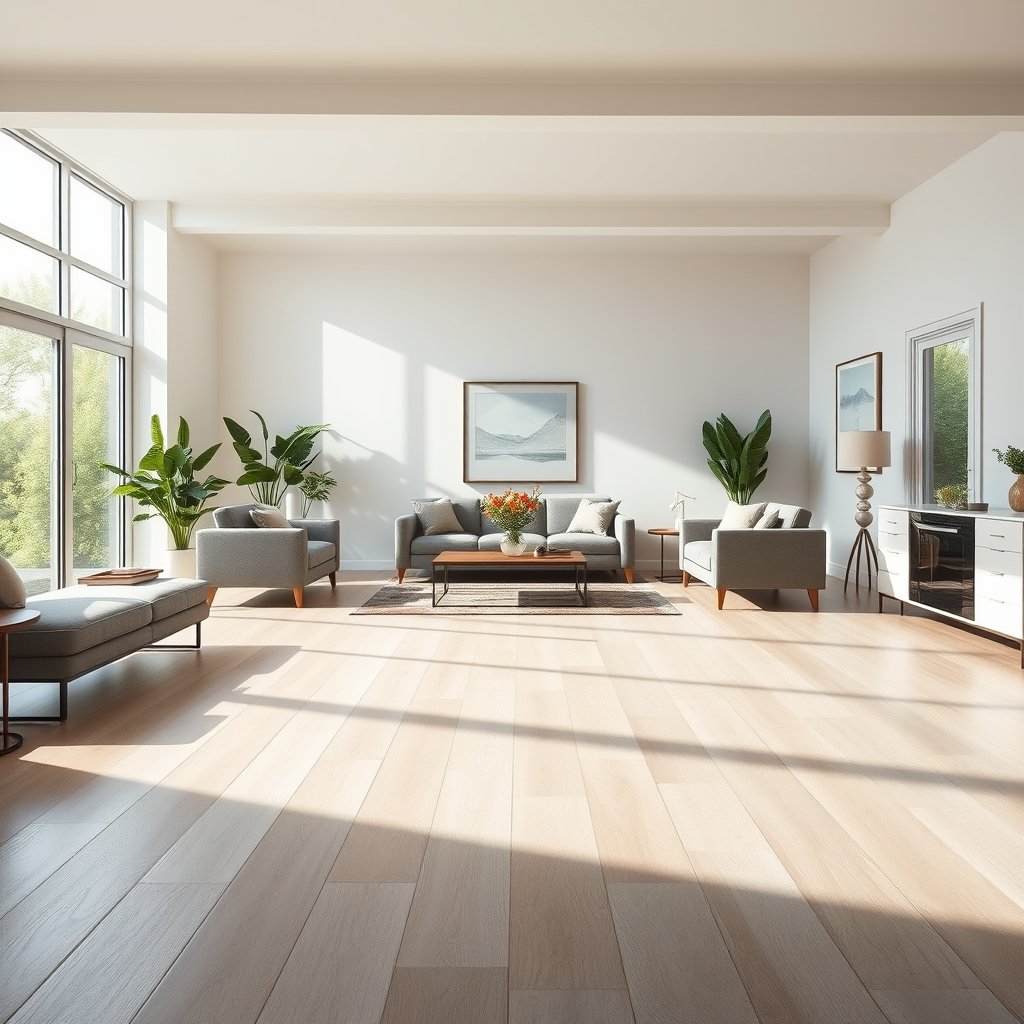
Most luxury vinyl plank flooring is marketed as waterproof vinyl plank flooring, but “waterproof” usually applies to the plank’s core—not always the seams or edges. For busy families with pets, check that the product offers:
- SPC or WPC cores that resist swelling and mold
- Sealed or tight-locking edges to prevent liquid intrusion
- Scratch-resistant wear layers—aim for at least 12 mil if you have large dogs
- Warranty coverage for staining, scratching, and pet accidents (many have exclusions for claw damage)
- Manufacturer-approved routine cleaning (no harsh abrasives or steam mops)
In 2024, LVP with “pet-friendly in the warranty” means the manufacturer expects the floor will handle normal pet messes and claws—but always review warranty documents for exclusions. Avoid low-end products if durability is a top driver. For more family-friendly pet and laundry upgrades, check our ventless washer dryer combo guide.
DIY floating floor installation — when it makes sense and common pitfalls
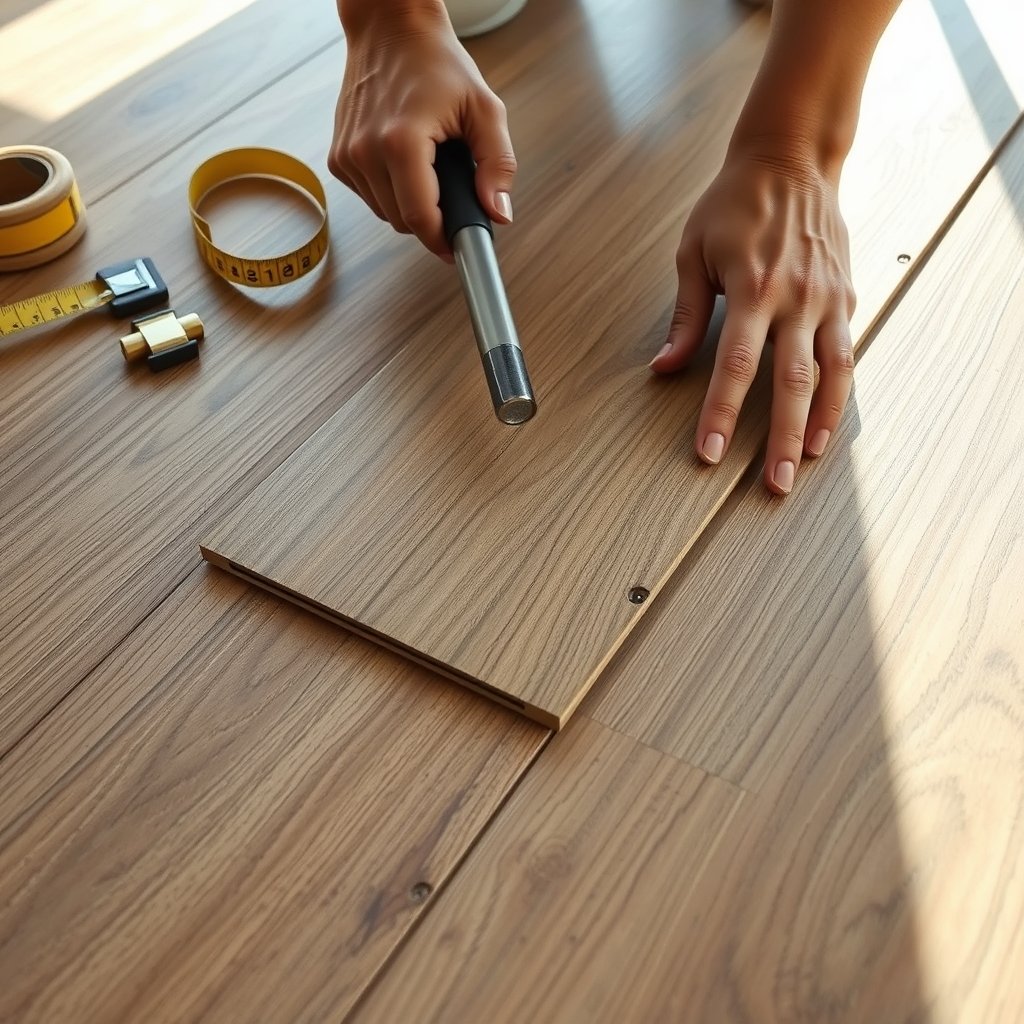
Many homeowners choose floating floor installation DIY to save on labor. LVP’s click-lock edges allow straightforward installs over most flat, clean subfloors. The basic process:
- Clear, clean, and dry the subfloor—patch and level as needed (imperfections can telegraph through planks)
- Roll out underlayment (if not pre-attached)
- Start plank installation in the corner, staggering joints and keeping expansion gaps as specified by manufacturer
- Trim around obstacles, transitions, and doorways
- Complete perimeter with matching trim and transition strips
DIY installs typically drop total cost closer to $2 to $5 per square foot, while pro installs range from $4 to $8 or more. It makes sense to DIY in small, simple rooms with few transitions—but consider a pro for open-concept layouts, stairs, or if subfloor moisture issues exist.
If you want the best results for aging-in-place bathroom upgrades, see our bathroom remodel checklist.
Warranty, fine print, and what competitor articles often miss
Many cost guides skip the fine print that separates a great warranty from a useless one. Before buying, always check:
- Years of residential coverage (15+ is standard for quality brands)
- Coverage for pet scratches, stains, and water damage—look for explicit language, not marketing promises
- Whether pro installation is required for warranty validation
- Transferability to new homeowners (if resale is a factor)
- Moisture or environmental restrictions (important in basements or sunrooms)
Many of the “best LVP flooring brands” tout long warranty periods, but check the terms for exclusions on pet wear and standing water. Always request a copy of the warranty for your records before final purchase. For a detailed look at how warranties affect value, see our full LVP flooring installation guide.
Brand shortlist and decision checklist — pick for durability, waterproofing, and budget
Finding the best LVP flooring brand for your project balances cost, technical specs, and warranty clarity. Use this quick shortlist for reference:
- Value Brands: $2-$3/sq ft. Usually thinner planks (4mm-6mm), 6-12 mil wear layers, limited finishes. Good for low-traffic or budget rooms.
- Mid-Range Brands: $3-$4.50/sq ft. 6mm+ planks, 12-20 mil wear layers, better edge seals and texture. Great balance for living areas, kitchens, kids’ rooms.
- Premium Brands: $4.50-$7+/sq ft. 8mm+ thick, 20+ mil wear layers, SPC cores, advanced waterproof joints, best for high-traffic, pets, or water-prone areas.
Decision checklist:
- Plank thickness, wear layer (aim for 12-20 mil for families and pets)
- Core type: SPC for stability, WPC for warmth underfoot
- Sealed joint system for waterproofing—especially in bathrooms and basements
- Actual warranty language (get it in writing)
- Approved installation methods (DIY or pro required for warranty?)
Use the 2024 price bands—material at $2 to $5/sq ft and installed at $4 to $7/sq ft—to set your expectations for each category.
Quick cost estimator and room budgeting example
Here’s a simple budgeting example for a 200 square foot room, comparing common flooring options:
| Floor Type | Material Cost (per sq ft) | Installed Cost (per sq ft) | Total for 200 sq ft |
|---|---|---|---|
| LVP (DIY install) | $2–$5 | $2–$5 | $400–$1,000 |
| LVP (Pro install) | $2–$5 | $4–$7 | $800–$1,400 |
| SPC flooring | $2–$4 | $4–$8 | $800–$1,600 |
| Hardwood | $8–$25 | $12–$25 | $2,400–$5,000 |
LVP gives you a high-performance, water-resistant floor for a fraction of hardwood’s price. Always budget an extra 10% for waste, and allocate funds for subfloor repairs if needed.
FAQs buyers search for
Can I install LVP over existing floors?
Usually yes. Most LVP can float over tile, vinyl, or hardwood as long as the surface is clean, flat, and dry. Remove carpet and confirm no height or moisture issues. Refer to our LVP installation guide for the specifics.
How long does LVP last?
With a quality wear layer (12–20 mil) and correct installation, expect 10 to 20 years—or more—in residential use. High-traffic homes and pets may lower lifespan if wear layers are thin.
Will LVP increase home value?
LVP won’t boost value like hardwood in luxury price ranges, but it won’t hurt resale in most markets—and buyers with families or pets value its easy maintenance and durability. It’s a cost-effective upgrade.
Does warranty cover pet damage?
Some brands offer pet warranties, but many exclude claw marks and “unusual pet activity.” Always clarify by reading the actual warranty document—check for exclusions before you buy.
What does luxury vinyl plank flooring cost per square foot in 2024?
Material is $2–$5 per sq ft; pro-installed, expect $4–$7 per sq ft for most homes. Get specific local quotes here: Premiere Builders.
Conclusion and recommended next steps
Luxury vinyl plank flooring gives you the best mix of waterproofing, durability, and affordability for active homes in 2024. To recap: set your material budget at $2–$5 per sq ft, expect $4–$7 per sq ft fully installed, and always compare plank specs, core type, and warranty language—not just color or price tag. Use our decision checklist and get hands-on samples before buying. Ready to start? Gather quotes from the best LVP flooring brands, confirm installation details, and request complete warranty info before you commit.
To see more cost breakdowns and installation tips, check our latest guides on LVP installation and related home upgrades.