
Whole home energy audit is the fastest, most reliable way to reveal where your energy dollars go each month and which fixes pay off. If your utility bills seem high, or you’re planning to upgrade old windows, insulation, or HVAC, skipping an audit can leave thousands in rebates and energy savings on the table.
Key Takeaways
- A typical whole home energy audit costs about $460 in 2024, with big regional price differences.
- The highest ROI upgrades after an audit are usually air sealing, attic insulation, and duct tightening—these often pay back within a year or two.
- Rebates and tax credits for 2026 can dramatically cut out-of-pocket costs, sometimes making an audit almost free.
- What is a Whole Home Energy Audit and Why Bother?
- Step-by-Step: How to Get the Best ROI From Your Audit
- Advanced Analysis and Common Pitfalls
- Conclusion: Is a Whole Home Energy Audit Worth It?
- Frequently Asked Questions
What is a Whole Home Energy Audit and Why Bother?
A whole home energy audit is a systematic inspection—usually by a professional using specialized tools—to find where your house wastes the most energy and money. This process measures leaks, checks insulation, examines ductwork, reviews appliances, and provides a custom report with prioritized, cost-saving upgrades.

Why bother? If your heating or cooling bills seem too high, or some rooms feel drafty or uneven in temperature, an energy audit can show you exactly what is wrong—before you spend thousands on guesses. Professional audits pinpoint where you lose energy, reveal hidden leaks, and usually recommend fixes that slash bills and boost comfort.
In 2024, a typical audit (including blower door test and insulation assessment) averaged about $460 nationwide. Regional costs range from around $340 in the West to over $650 in the Northeast (source).
You can do a basic DIY home energy audit if you’re handy with a flashlight and keen eye, but only a pro with tools like a blower door test can precisely calculate losses—which is why major rebates and many tax credits often require a professional evaluation.
Step-by-Step: How to Get the Best ROI From Your Audit
Follow these actionable steps to maximize your investment and savings from a whole home energy audit.
- Get 2 to 3 Quotes: Search for local “blower door test near me” and “home energy audit cost” to get an apples-to-apples comparison. Ask if reports include prioritized recommendations and estimated energy savings.
- Check for Incentives: Before booking, call your utility or check their website for “energy audit rebates” or “home energy audit tax credit 2026.” Many states or utilities subsidize audits, reducing costs to $0-100.
- DIY Triage: Walk your home using a DIY home energy audit checklist. Check for obvious gaps, poor weatherstripping, dirty HVAC filters, and missing insulation. This can reveal quick, high-ROI fixes and prepare you for the audit.
-
Request the Right Tests: For true ROI, make sure your audit includes:
- Blower door test (to identify air leaks, which typically cause up to 30% of losses)
- Home insulation assessment (especially attic and walls)
- Duct leakage test if you have forced air heating/cooling
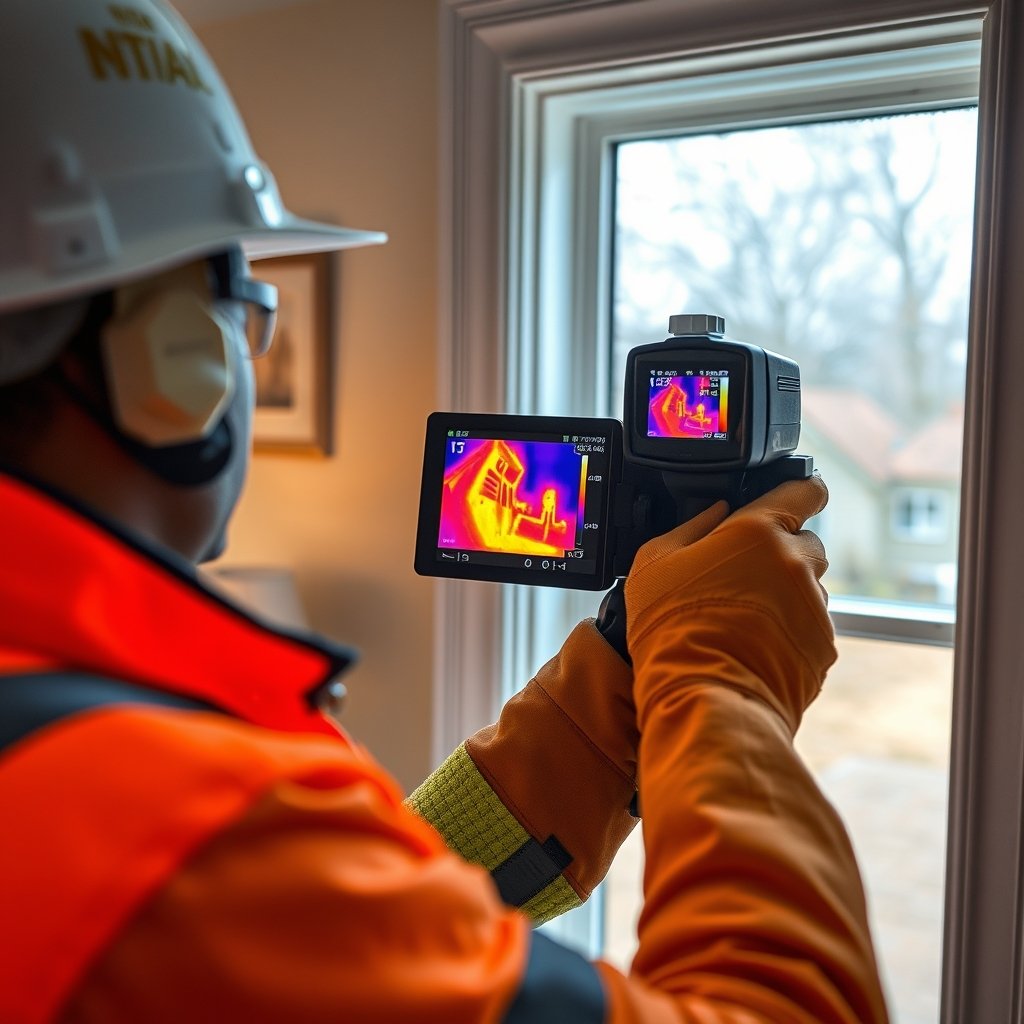
- Infrared (IR) scan if available
- Analyze the Report: Focus on recommendations with the quickest payback—typically air sealing, attic insulation, then duct sealing or minor HVAC upgrades. Ask for estimated savings for each.
- Apply for Rebates and Credits: Validate your upgrades meet rebate or home energy audit tax credit 2026 requirements before work begins. Prioritize upgrades that achieve under 7-year payback (many air sealing projects recover costs within one to two years).
- Get Multiple Contractor Estimates: For the top 2-3 upgrades, get quotes and compare. Many contractors offer discounts if you mention your audit or choose package deals.
- Bundle for Bigger Rebates: Some programs give extra incentives if you combine upgrades (e.g., air sealing plus spray foam insulation or a smart thermostat). Ask for bundling options.
For a real-world savings story, one Reddit user shared that their audit unlocked $1350 in retrofit work for only $800 out-of-pocket due to combined utility and contractor discounts (see the discussion).
Learnings from your audit also extend to other high-impact projects like heat pump water heater upgrades or attic ventilation improvements.
Advanced Analysis and Common Pitfalls
Even with the best intentions, homeowners can run into these common issues:
- Choosing Too Basic an Audit: Cheap walk-throughs miss hidden losses. If you want high ROI, invest in an audit with blower door and insulation testing—these catch 85-90% of waste.
- Ignoring Regional Variations: Audit and upgrade costs vary greatly by region. Compare local utility rebates and market rates (see the table below) before deciding on any single “national average.”
- DIY vs Pro Dilemma: DIY checks can spot big problems, but won’t qualify for most rebates or tax credits. And they miss major hidden leaks and insulation gaps a blower door test can reveal. Only a pro report usually unlocks $500–$5,000 in utility rebates.
- Missing the “Bundling” Savings: Not combining air sealing with insulation, or waiting to upgrade the HVAC separately, can cost you bundled rebate bonuses offered in many state and utility programs.
- Delaying Implementation: Survey after survey shows the biggest leaks and insulation gaps deliver savings only if you act quickly. Every heating and cooling cycle that passes with the same leaks means lost money.
| Region | Typical Audit Cost | Blower Door Test (Standalone) | Average Utility Subsidy |
|---|---|---|---|
| Northeast (Boston, NY) | $610–$660 | $200–$350 | $200–$500 |
| Midwest (Chicago, MN) | $440–$470 | $150–$350 | $100–$250 |
| West (San Francisco, Seattle) | $340–$380 | $150–$300 | $50–$350 |
| South (Texas, Florida) | $380–$410 | $100–$250 | $100–$250 |
Source: Pearl Certification (2024), HomeAdvisor
Beyond air sealing and insulation, professional energy audits can also reveal when upgrades like a home battery backup system or induction cooktop retrofit will make the biggest bill-cutting impact.

Conclusion: Is a Whole Home Energy Audit Worth It?
For most homeowners, a whole home energy audit is not just worth it—it’s essential for prioritizing upgrades with the fastest return on investment. Professional audits reveal 85–90% of your home’s energy waste, helping you avoid spending thousands on low-impact projects. With incentives, rebates, and federal home energy audit tax credits for 2026, your upfront cost can be close to zero in many states.
Still unsure? Act now: get a personalized quote for a whole home energy audit before embarking on costly upgrades—and always check local rebates so you don’t overpay. The path to lower bills and a more comfortable home starts with one scheduled audit.
Frequently Asked Questions
How much does a whole home energy audit cost in 2024?
The national average is about $460, but you might pay between $340 and $660 depending on your region, home size, and diagnostic tests included. Utility rebates and state programs can reduce your cost to just $0–$100 in many areas (source).
Is it better to hire a professional or do a DIY home energy audit?
DIY walk-throughs can spot major gaps or insulation issues, but professional audits measure hidden leaks with tools like a blower door. Only pro audits unlock most rebates, tax credits, and complete ROI analysis. If you want maximum savings and return, go with a certified pro.
What upgrades usually give the highest ROI after an audit?
Air sealing and attic insulation almost always rank at the top—these measures often pay for themselves in one to three years. Duct sealing, programmable thermostats, and HVAC tune-ups follow. Full window replacements or major envelope work usually deliver longer payback periods.
Can an energy audit help me get rebates or tax credits?
Yes. Most utility rebate energy audit programs and home energy audit tax credit 2026 opportunities require a professional, documented audit. Some even subsidize the cost or bundle free audits with upgrades.
How do I find a trusted local provider?
Search for “blower door test near me” or “professional home energy audit” on independent review sites. Ask inspectors if they’re BPI or RESNET certified and if their reports qualify for rebates. Always compare prices and deliverables, and ask about included tests and report detail.