

### Blog Post:
Hybrid heat pump system upgrades are now the most practical solution for cold climate homeowners tired of high utility bills and worried about furnace failures on frigid nights. If you live in a region with frequent winter lows below 25°F and want real savings without betting your comfort on new tech alone, this guide will break down every number, tradeoff, and question you should ask.
Key Takeaways
- A hybrid heat pump system can cut heating bills by 20–40%, translating to $650/year in savings for an average 1,800 sq ft home.
- Expect an 8-year payback when combining purchase cost, installation, and incentives—provided you avoid common install pitfalls.
- The right system choice and installer vetting are critical for reliable cold-weather performance and long-term ROI.
- How a hybrid heat pump system (dual-fuel) actually works
- How to plan and install your hybrid heat pump system
- Pitfalls & advanced analysis: What can go wrong (and how to avoid it)
- Conclusion and your next steps
- FAQs: Cold climate hybrid heat pump secrets revealed
How a hybrid heat pump system (dual-fuel) actually works
A hybrid heat pump system—often called a dual-fuel setup—pairs a cold-climate air-source heat pump (sometimes a ducted mini split) with a gas or propane furnace. In moderate weather, the heat pump efficiently heats and cools the house. When outside temps fall and heat pump efficiency drops, the furnace automatically kicks in based on a user-set temperature (“lockout”) or load calculation. This blend ensures comfort, keeps utility bills low, and prevents the “cold spot” complaints of older heat pump designs.
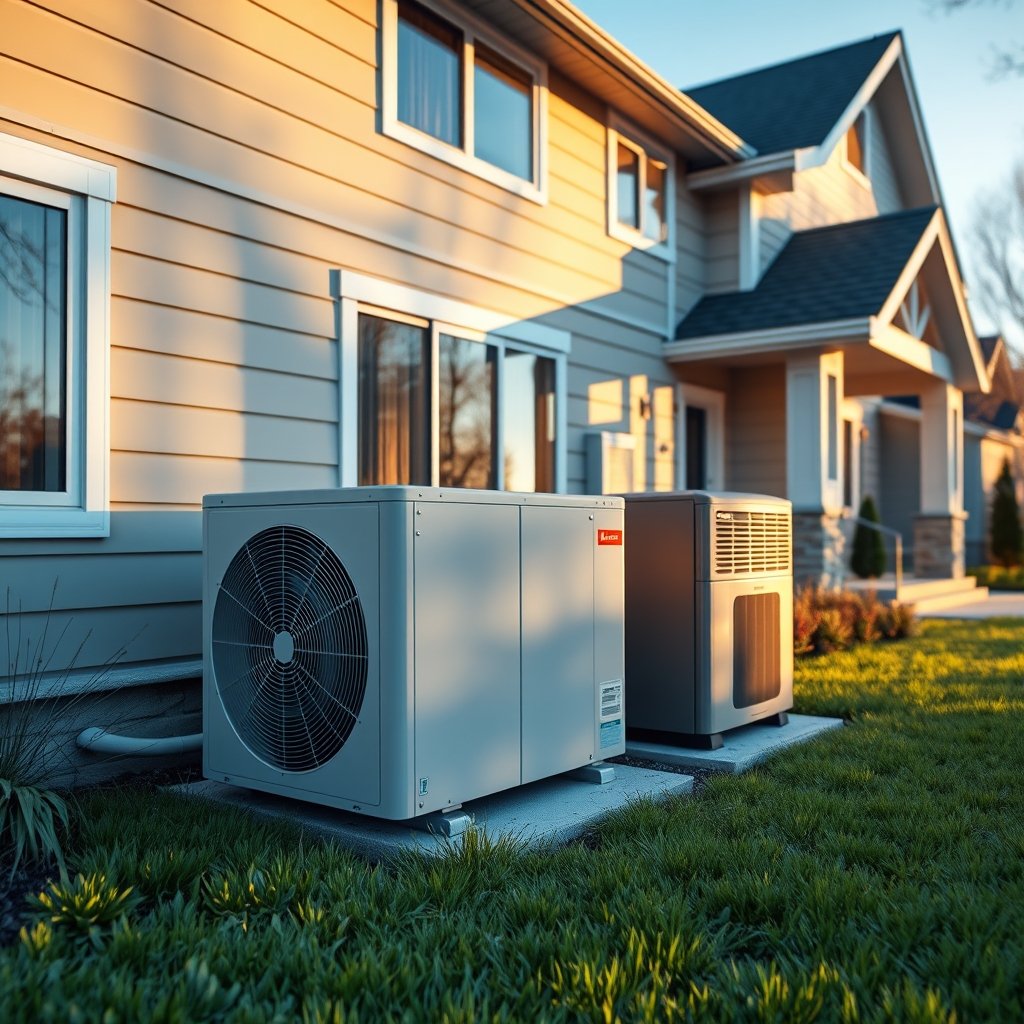
Unlike “electric backup” systems (which default to inefficient resistance heating), hybrid systems reserve gas or propane fuel only for bitter cold, using the high-efficiency heat pump the rest of the time. Outdoor temperature lockouts and advanced load-based controls add further efficiency by optimizing switch-over points automatically. Hybrid systems can deliver 80–150% COP (that is, 300–400% effective efficiency) even below 15°F[2], while standalone gas furnaces operate at a steady 80–95% AFUE.
If you’re replacing a furnace in a cold climate and want to avoid performance anxiety, dual fuel is the practical upgrade: the heat pump covers 80% or more of the annual load; the furnace is cheap “insurance” for the worst weeks of the year.
How to plan and install your hybrid heat pump system
Making the jump to a hybrid HVAC system takes careful planning. Here’s a step-by-step outline for cold-climate homeowners weighing their options:
- Document your heating costs and pain points. Gather your last 12 months’ utility bills. Make note of winter spikes, furnace repair costs, and whether your AC is also due for replacement.
- Assess your home’s insulation and ductwork. A hybrid system shines in well-insulated, tight homes (R-values up, leakage down) but can struggle if the ducts or attic are poorly sealed. Consider a professional energy audit or spray foam upgrade if needed.
- Request proposals for:
- Heat pump only (mini split or ducted ASHP, stand-alone)
- Hybrid add-on (upgrade your furnace controls, add a heat pump as “primary”)
- Full hybrid replacement (replace both heat pump and furnace together)
Note: Costs typically run $8,000–$15,000 for a heat pump or mini split, $3,000–$8,000 for a furnace, and $10,000–$22,000 for a fully integrated hybrid install.[4]
- Vet installers: Demand load calculations, ask about controls calibration for dual-fuel, check duct compatibility, and get every warranty in writing (equipment, labor, controls, refrigerant leaks).
- Factor in incentives and financing. Before you sign, verify federal, state, and local rebates—these have changed rapidly post-2025. Review the latest models and rebate info.
- Schedule install for shoulder season. A hybrid install can disrupt heating/cooling for several days—don’t risk a winter outage.
- Track results, review utility bills, and check against installer guarantees.
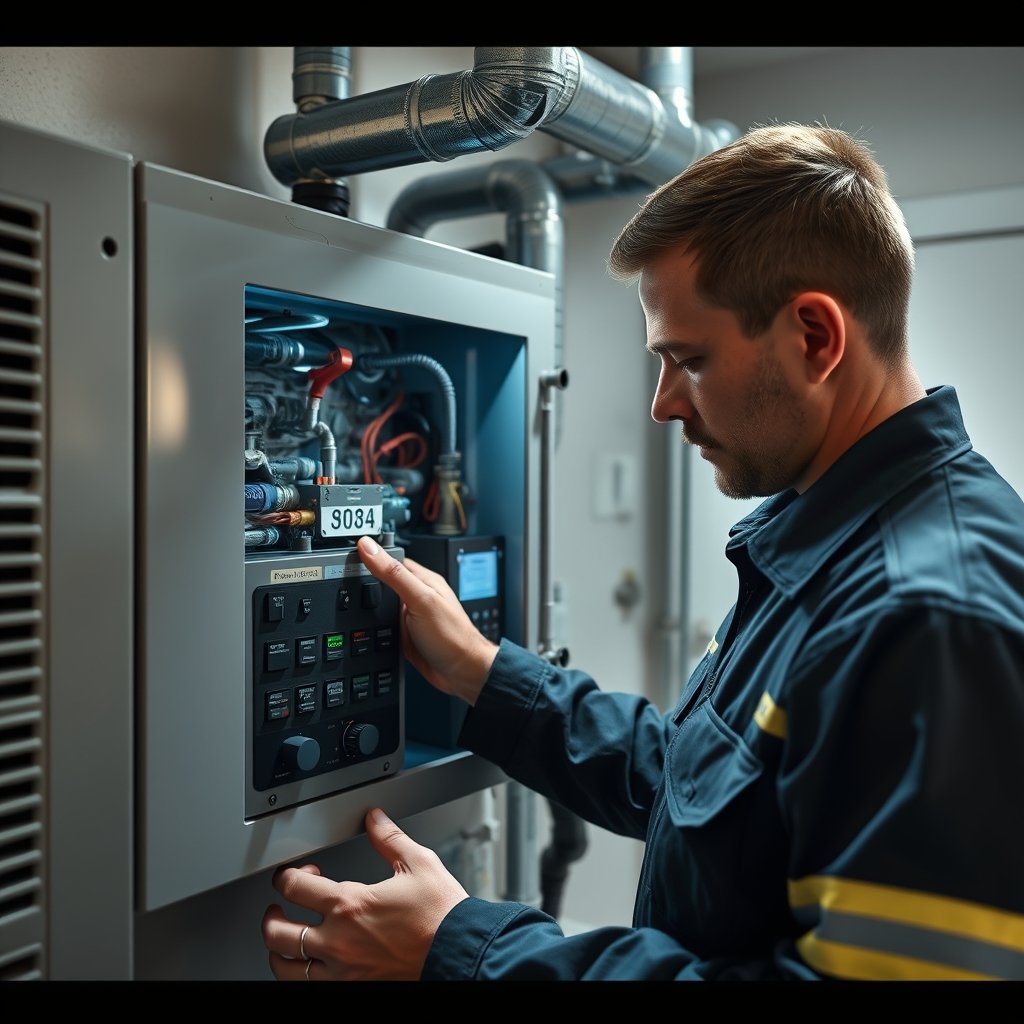
Need to fix water heating while upgrading? Check out our heat pump water heater cost guide for combo rebate stacking opportunities.
Pitfalls & advanced analysis: What can go wrong (and how to avoid it)
Despite their impressive real-world savings, hybrid heat pump systems come with several challenges for cold-climate installations. Here’s what homeowners report most—and how to address each issue:
- Perceived “loss of heat” on extreme cold nights:
Root cause: Standard heat pumps lose efficiency below 25–30°F, leading to longer runtime or cooler airflow. - Fix: Only choose a cold-climate-rated unit (maintains capacity down to –22°F) and set up furnace “lockout” controls accurately so the furnace takes over before you notice comfort loss.
- Increased cycling or noise:
Root cause: Oversized or poorly commissioned heat pumps cycle on/off, particularly during swing seasons. - Fix: Ask for a Manual J load calculation and stage controls with buffer settings. Multi-stage or variable-speed units work best.
- Controls misconfiguration:
Root cause: Incorrect switching points between heat pump and furnace can erase energy savings or leave you cold. - Fix: Always confirm your installer is familiar with hybrid controls (outdoor sensor calibration, WiFi/automation options).
- Duct or panel incompatibility:
Root cause: Dated, unsealed, or under-insulated ductwork lets heat (or cold) escape before it reaches living areas; an underpowered electrical panel also results in install surprises. - Fix: Budget for duct sealing or upgrade and have an electrician inspect your service panel for heat pump readiness.
- Installer inexperience:
Root cause: Hybrid systems are far newer in cold climates than basic furnaces. Many HVAC contractors only have a few installs under their belt. - Fix: Vet your installer! Ask about how many dual-fuel cold-climate systems they’ve actually put in your area. Request local references.
Let’s break down the key cost and payback numbers for different scenarios:
| Scenario | Upfront Cost | Annual Energy Cost | Estimated Payback | Best For |
| Replace Furnace with Heat Pump Only | $8,000 – $15,000 | $1,200 – $1,400 | 10–12 years | Well-insulated homes, moderate climate, willing to go all-electric |
| Hybrid Add-on to Existing Furnace | $10,000 – $16,000 | $1,150 – $1,350 | 7–9 years | Cold climate, furnace <10 years, minimal duct upgrades |
| Full Hybrid (New Heat Pump + Furnace) | $12,000 – $22,000 | $1,100 – $1,300 | 8 years | Very cold climates, replacing AC and furnace together |
Key point: Even in harsh Midwest winters, hybrids with true cold-climate heat pumps often maintain 80–150% COP below 15°F, ensuring the furnace only “tops off” on the harshest days[1].
For aesthetics or retrofit convenience, homeowners can also consider ductless mini split setups covering multiple zones, paired with a compact gas backup. Learn more about mini splits in our small-space heat solutions guide.
Conclusion and your next steps
Hybrid heat pump systems deliver real, trackable savings—plus reliable comfort—even in very cold climates. With measured payback around 8 years, hybrid systems shield you from the sharpest energy cost spikes and offer a lower carbon footprint without the risk of all-out furnace failure. If your furnace is aging and your home is average size and well-insulated, a hybrid heat pump system should be on your shortlist.
Ready to protect your investment? Start by collecting utility bills, evaluating your ductwork, scheduling three site visits, and demanding a written performance guarantee. Make your first call before summer ends, and you could lock in the last of the current rebates and avoid future heater panic.
FAQs: Cold climate hybrid heat pump secrets revealed
Will a hybrid heat pump system heat my house on the coldest nights?
Yes—modern cold-climate heat pumps deliver 80–150% COP (or 300-400% efficiency) even below 15°F. On the most extreme nights (below –10°F), the gas or propane furnace automatically takes over. You do not lose comfort.
Do I still need to keep my furnace if I install a dual-fuel heat pump?
In regions with regular sub-20°F temps, yes: a gas or propane furnace provides affordable backup to guarantee comfort. All-electric is possible for moderate climates, but real-world savings favor a backup in deep cold zones.
How noisy are modern heat pumps and hybrid systems?
Cold-climate heat pumps and variable-speed outdoor units are much quieter than earlier generations. If noise is a concern, locate the unit away from bedrooms and choose models with quiet modes.
What happens if my ductwork is old?
Leaky or poorly insulated ducts can undermine savings. Request a duct leakage test before install. If issues are found, invest in sealing or rerouting to get the full hybrid benefits (and avoid cold spots).
Will a hybrid system actually pay for itself?
For most cold-climate single-family homes, yes: Average payback is around 8 years, thanks to 20–40% heating bill reductions. Full payback is much harder to achieve if you skip insulation improvements or installer vetting.
—