

### Blog Post:
Ventless washer dryer combo units have quickly become the go-to laundry solution for urban renters and small-home owners wanting flexibility, energy savings, and easy installation in apartments or homes where venting is impossible.
Key Takeaways
- ventless washer dryer combos offer true plug-and-play installation—no vent needed—making them ideal for city apartments or homes without external exhausts.
- Heat pump dryer combo units are the fastest-growing choice, delivering up to 30% long-term energy savings over traditional models but with higher upfront costs.
- Buyers need to weigh cycle time and laundry capacity carefully; most combos handle 2.0–2.8 cu.ft. per load and require 3–6 hours for a wash-to-dry cycle.
- Quick take — is a ventless washer dryer combo right for you?
- 2024 market snapshot — why ventless is mainstream in cities
- Why heat-pump ventless combos are the standout trend
- Placement & installation — what landlords and builders prefer
- Common complaints and negative experiences in small homes
- Buying checklist — specs and features that matter for apartments
- Model segments & buying recommendations
- Maintenance, common issues, and troubleshooting tips for small spaces
- Landlord & building checklist — approvals, hookups, and what to ask before buying
- Final decision flow — 5 quick steps to choose and where to buy
Quick take — is a ventless washer dryer combo right for you?
If you live in a space-constrained apartment or compact house—especially where you can’t add exterior vents—a ventless washer dryer combo is likely your only hassle-free option. This appliance brings true wash-to-dry convenience wherever you have water connection and a standard outlet, making it a favorite among urban renters and small-home owners. Trade-offs? You’ll get easier installation and landlord approval, but you’ll need patience for longer cycles (typically 3 to 6 hours) and must be realistic about load sizes: 2.0–2.8 cu.ft. is standard. In 2024, ventless washer dryer combos captured roughly 38% of global combo-unit revenue, showing how mainstream they’ve become for city dwellers.
| Pros | Cons |
|---|---|
| No ducting required Installation flexibility Energy savings (heat pump) |
Longer cycles Smaller laundry capacity Upfront cost (premium models) |
2024 market snapshot — why ventless is mainstream in cities
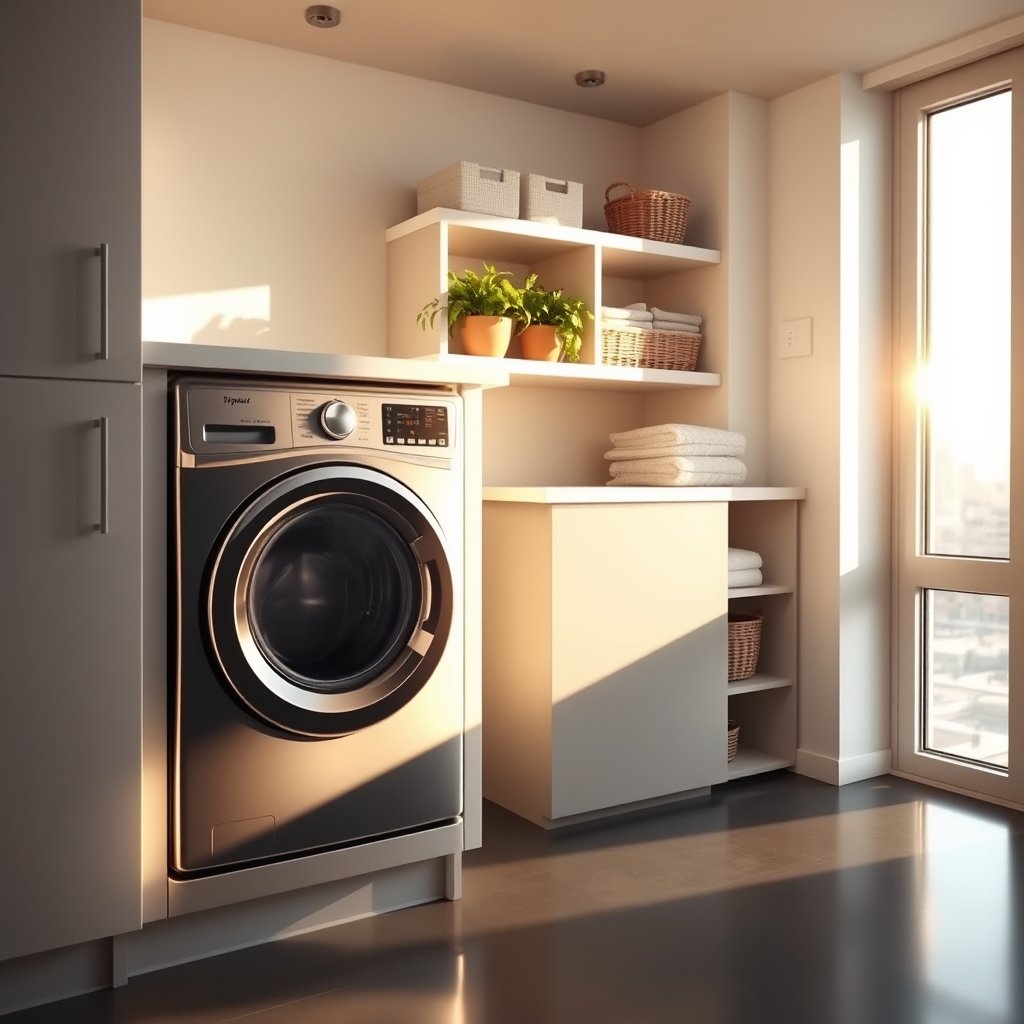
The shift to ventless washer dryer combos is driven by tight urban living and building codes that discourage traditional, vented dryers. In 2024, ventless units represented approximately 38% of global combo-unit revenue. More than 38% of new-construction apartments in major metros like New York, London, and Tokyo featured integrated ventless units. Installers and manufacturers are investing heavily in ventless and heat pump dryer combo units—especially as building planners prioritize energy codes, flexible placements, and all-in-one laundry appliances. In fact, worldwide, installation rates for ventless and heat pump combos in new multi-family apartments are approaching 50% (see the research).
The urban migration trend and premium placed on every square foot make ventless combos the smart, compliant choice when you don’t want to compromise on convenience.
Why heat-pump ventless combos are the standout trend (unique insight)
Heat pump dryer combo units represent the biggest leap in ventless laundry tech—offering up to 20–30% energy savings versus traditional vented models, and drying clothes much more gently so your laundry lasts longer. They also use recycled air, cutting energy even when run daily. Market data shows heat pump ventless models are now the fastest-growing category—about 7 to 8% CAGR—already accounting for 28% of front-load combo sales in Europe and gaining share globally, especially as energy standards tighten (see more here). Yes, upfront costs may start at $1,200, but the ROI often pays back fast if you do three or more loads per week or want to reduce long-term utility bills and emissions. In premium urban buildings, heat pump combos are becoming the new standard.
Heat pump models mean less waste, no ducts, and typically quieter cycles—key for apartment living. If you’re buying for the long haul or plan to retain value in a property, this is the “future-proof” move.
Placement & installation — what landlords and builders prefer
Most apartment-friendly ventless washer dryer combos need only these: a water connection and a standard electrical outlet. No holes in walls, no city permits for vents, and no tricky ducting—this simplicity is why over 38% of new-construction apartments in global metros are specifying ventless laundry appliances at install (see apartment adoption stats). Typical placements include utility closets, bathroom alcoves, kitchen nooks, or hallway cabinets. Because these machines do not exhaust humid air into the room, they can even go in interior spaces usually off-limits for old-school dryers.
Before you buy, always confirm with building management or your landlord which hookups exist. Most units require a dedicated 120–240V line and basic drainage—not all apartments have both ready to go. Landlords often favor ventless machines because they decrease liability, require no structural changes, and balance efficiency with modern building codes.
Common complaints and negative experiences in small homes (what buyers worry about)
Ventless washer dryer combos aren’t magic. While installation and placement are flexible, expect these trade-offs:
- Capacity: Most units handle 2.0–2.8 cu.ft.—enough for 2–3 days of clothing for one or two adults, but not ideal for sheets or big family washes.
- Cycle time: Complete wash-and-dry cycles take 3–6 hours. Some heat pump units are slightly faster, but still slower than most vented models.
- Drying performance: Bulky items (duvets, hoodies, towels) can come out slightly damp or need repositioning mid-cycle, especially in compact drums.
- Cost: Heat pump models typically start around $1,200 and up, landing in the premium price tier by early 2026. Condenser units can be found under $900.
- Maintenance: More frequent cleaning of lint and condensate tanks is required. Neglect quickly leads to longer dry times and even odor issues.
While these limitations can be managed, understanding them before purchase keeps expectations realistic. Some modern units now feature smart sensors and auto-cleaning to help mitigate pain points.
Buying checklist — specs and features that matter for apartments
When evaluating which ventless washer dryer combo is best for your space, checklist thinking pays off. Here’s what matters most for small homes and apartments:
- Capacity: 2.0–2.8 cu.ft. is standard; more is rare in compact models.
- Drying technology: Condenser (lower cost, basic drying) vs heat pump (premium, energy saving, quieter, gentler).
- Energy rating: Look for Energy Star or comparable efficiency labels, especially for heat pump models (save 20–30% on energy bills).
- Cycle time: Typical cycles take from 3 to 6 hours—some heat pump options are faster under light loads.
- Noise: Important for open-plan apartments—target under 60 dB operation.
- Footprint: Measure height, depth, and width, including door swing and room for filter access.
- Condensate disposal: Tank (needs regular emptying) or direct-to-drain (set-and-forget, preferred for apartments).
- Warranty and service network: Look for at least 2 years on major components and local repair options.
- Smart features: Remote monitoring, custom cycles, auto-maintenance reminders.
In 2024, ventless condenser technology represented 58% of unit sales, but heat pump units are the fastest rising segment—if you value lower long-term energy costs, prioritize heat pump solutions.
For deeper comparison of cycle speeds and common features, see our apartment-size washer dryer combo guide, setting up a smart home laundry, and energy-efficient laundry appliances to align specs with your needs.
Model segments & buying recommendations (budget, mid, premium / when to choose heat-pump)
We’ve mapped today’s best ventless washer dryer combos into practical buying tiers. Here are top picks by budget and need—plus who each is best for:
| Tier | Typical Price | Good For | Example Models |
|---|---|---|---|
| Budget (Condenser) | $700–$950 | Students and renters; lowest upfront cost |
LG WM3488HW Equator EZ 4400N Deco DC 4400CV (solid basics; less frills, entry-level warranty) |
| Midrange (Condenser or Hybrid) | $950–$1,300 | Urban couples, small households; balanced features/cost |
GE GFQ14ESSNWW Whirlpool WFC8090GX Blomberg WMD24400W (quieter, faster, more cycles, better support) |
| Premium (Heat Pump) | $1,300–$2,200 | Long-term owners, energy savers, busy city dwellers |
LG Signature WM6998HBA (AI, WiFi, Energy Star) Miele WTH120WPM Samsung Bespoke AI (latest 2024) (ultra quiet, largest feature set, lowest annual energy use) |
Who should choose heat pump? If you do 2+ loads per week, want the quietest and most efficient machine, or plan to recoup costs through energy savings—heat pump combos are the smart long-term play. Already, about 28% of front-load combo sales in Europe are heat-pump models, and this is trending upward, projected to take almost half of the premium market by 2034 (read more here).
Maintenance, common issues, and troubleshooting tips for small spaces
Ventless washer dryer combos are renowned for their simple install but do need regular maintenance for best results—especially in tight apartments where air circulation is limited. Here’s what to do:
- Clean the lint filter after every use; heat pump models may also have secondary filters (follow manufacturer guidelines).
- Check and clean condensate tanks or direct drains at least once monthly to prevent overflow and musty odors.
- Wipe door seals/wash drum monthly to avoid mold and mildew, especially with lower-flow urban plumbing.
- Run a hot wash/dehumidify cycle every few weeks for deep cleaning and to prevent moisture buildup.
- If you notice longer cycles or damp laundry, check for clogged filters or blocked air intake vents first—a 5-minute fix solves many complaints.
Because these machines are often used in interior closets or windowless rooms, ensuring proper drainage and ventilation prevents costly repairs or apartment moisture issues—check manufacturer manuals for specific instructions.
For owners tackling challenging builds, see our washer dryer troubleshooting guide and compact laundry room ideas for setup and airflow hacks.
Landlord & building checklist — approvals, hookups, and what to ask before buying
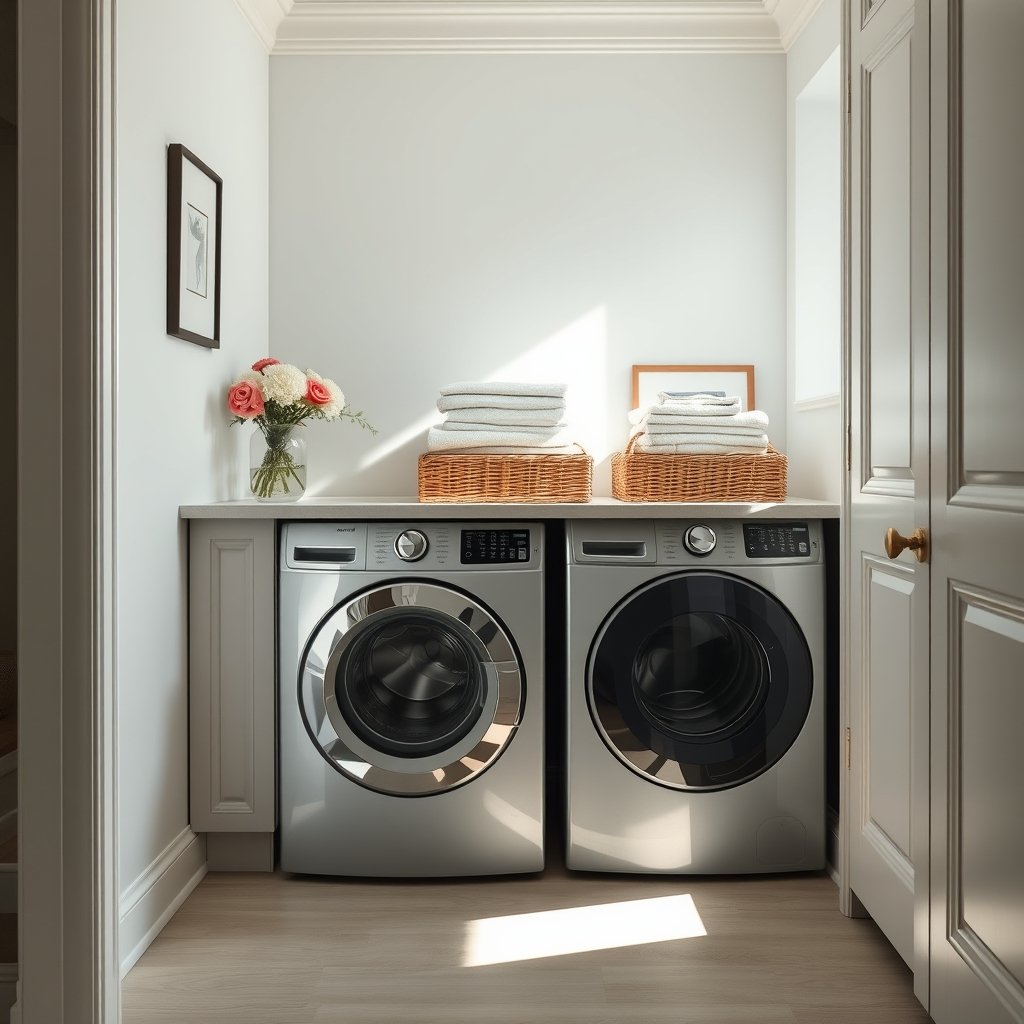
Before you click “Buy Now,” check these items to stay aligned with your landlord and building rules (especially if you’re a renter):
- Confirm lease allows appliance upgrades and laundry installs; get written approval if possible.
- Check electrical service (most combos need a dedicated 120–240V line; some new heat pump models require 240V).
- Verify available water connection (standard washing machine hookup or sink adapter) and drainage solution (standpipe, sink, or direct-to-drain).
- Assess the physical space—make sure doors swing open fully, room for vents/filters to be accessed, and appliance fits through entryways.
- Ask building management if noise/operating hour restrictions exist in shared walls or late at night.
- Have documentation on hand: product spec sheet, installation manual, and manufacturer compliance letters for ventless operation.
Installer’s checklist: Water supply pipe + shutoff valve, GFCI-protected outlet, flat and level flooring with load capacity of 150–250 lb, drain access; leave 2″ space at rear and sides for proper air flow.
Given that almost half of new multi-family buildings now specify ventless units, most landlords recognize these models—but requirements still vary, so always double-check. For more, see landlord appliance approval checklist and washer install for small apartments.
Final decision flow — 5 quick steps to choose and where to buy
Here’s how to land the right ventless washer dryer combo for your urban space:
- Measure your space, entryways, and clearances precisely—don’t rely on “standard” sizing.
- Set a realistic budget, thinking upfront cost versus long-term savings (heat pump = more, but pays back over 2–5 years).
- Choose your tech: condenser (if upfront cost and speed trump all) or heat pump (if energy savings, gentle drying, and future-proofing are priorities).
- Check building and landlord rules, as well as all required electrical/water connections before ordering.
- Pick a retailer or local installer with strong after-sales support; compare models at specialized sites like Home Depot, AJ Madison, or consult manufacturer directories (source).
With 7–8% CAGR for heat pump ventless washer dryer combos, now is the time to invest in future-proof, energy-saving laundry—just make sure it fits both your home and your lease rules. Ready to browse options? Start with our top ventless washer dryer combos or compare retailers to get the best warranty and fast installation.
FAQ — Ventless Washer Dryer Combos
Can a ventless washer dryer combo go anywhere in my apartment?
As long as you have access to a water line, drain, and the correct power outlet, you can install anywhere—even in closets or interior rooms. No venting means ultimate placement flexibility.
How long does a full wash and dry cycle really take?
Expect 3 to 6 hours for most loads. Some compact items can finish in less, while bulky loads may take closer to the upper end of that range.
Do heat pump units really save money?
Yes—heat pump dryer combo units generally deliver 20–30% energy savings versus vented or basic condenser models, especially valuable if you do several loads a week or pay high utility rates.
Is maintenance difficult?
Routine maintenance is simple: clean the lint filter after each use, wipe door seals, and periodically check hoses and drains. Most issues are fixed with regular lint removal and running hot cycles for drum hygiene.
Will my landlord approve a ventless washer dryer combo?
Most landlords are open to ventless installations since there’s no structural work needed, but always get explicit approval and check for any lease-specific restrictions.
—